Madagascar. Part IMap
January When people hear about Madagascar, they vaguely picture a faraway country. 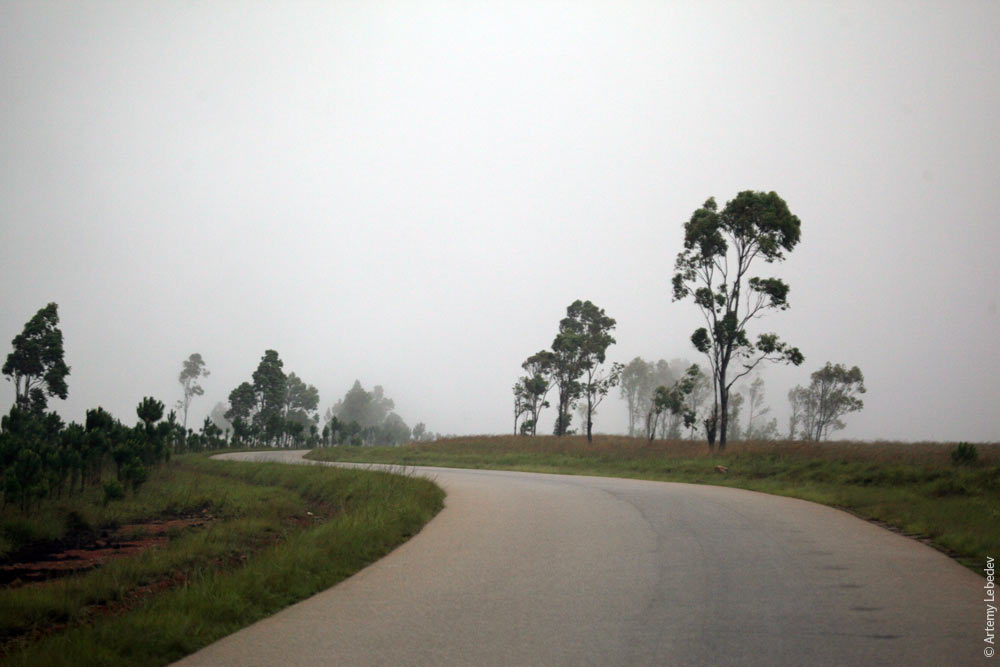 Where there are exotic Martian landscapes. 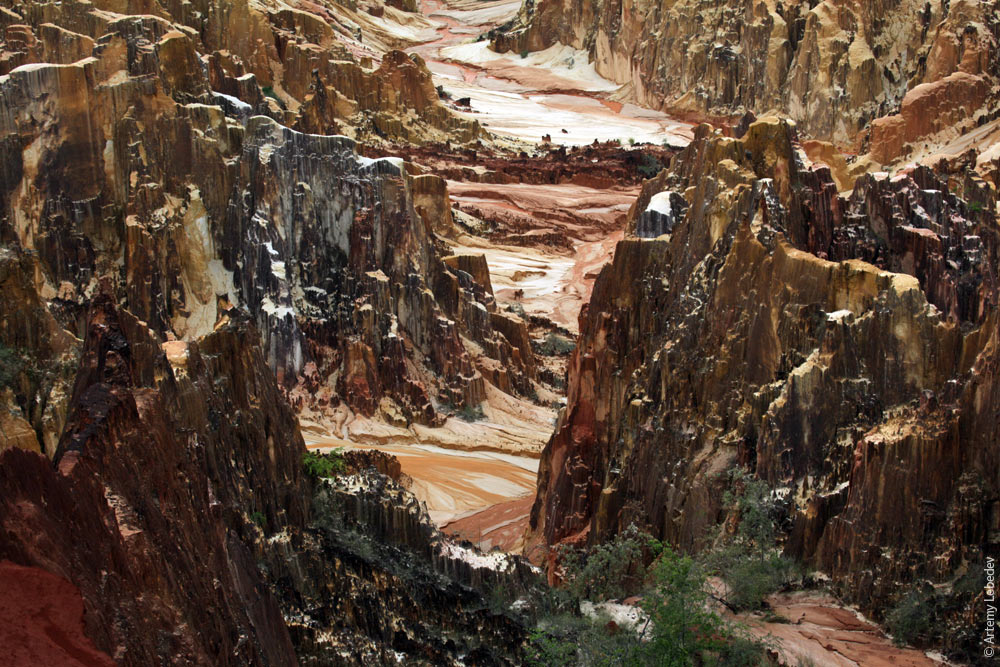 And places of indescribable beauty. 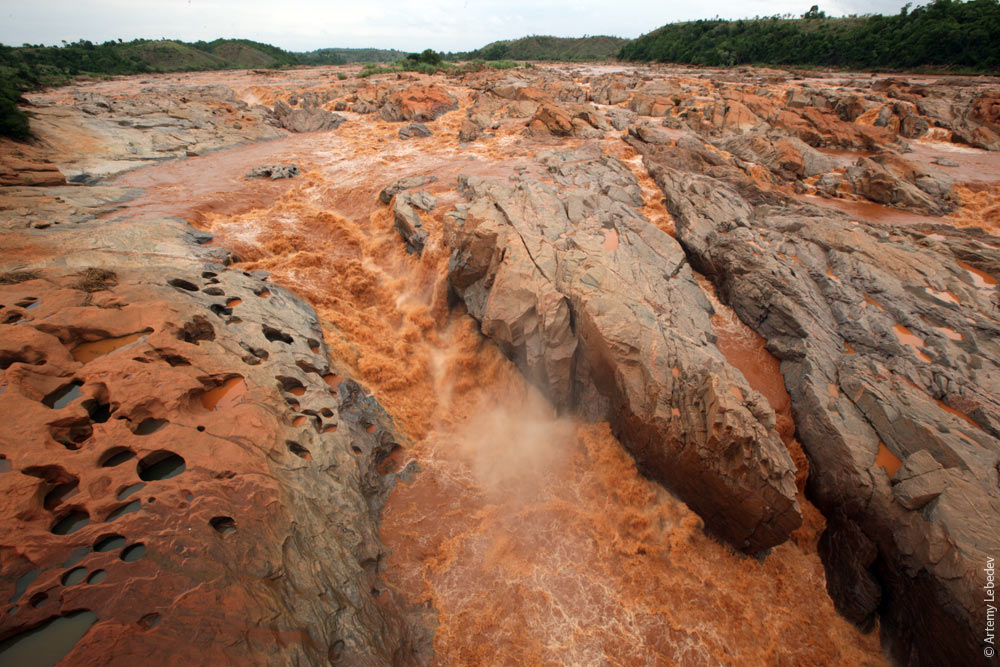 Where termites of some sort build their neat anthills in the grass fields. 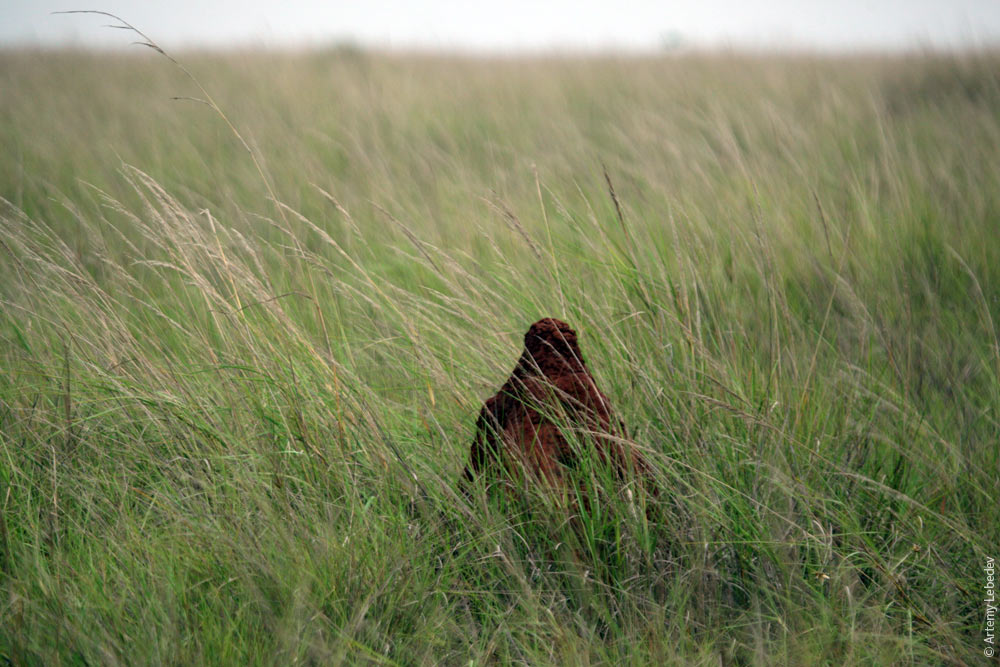 Idyllic scenery stretches as far as the eye can see. 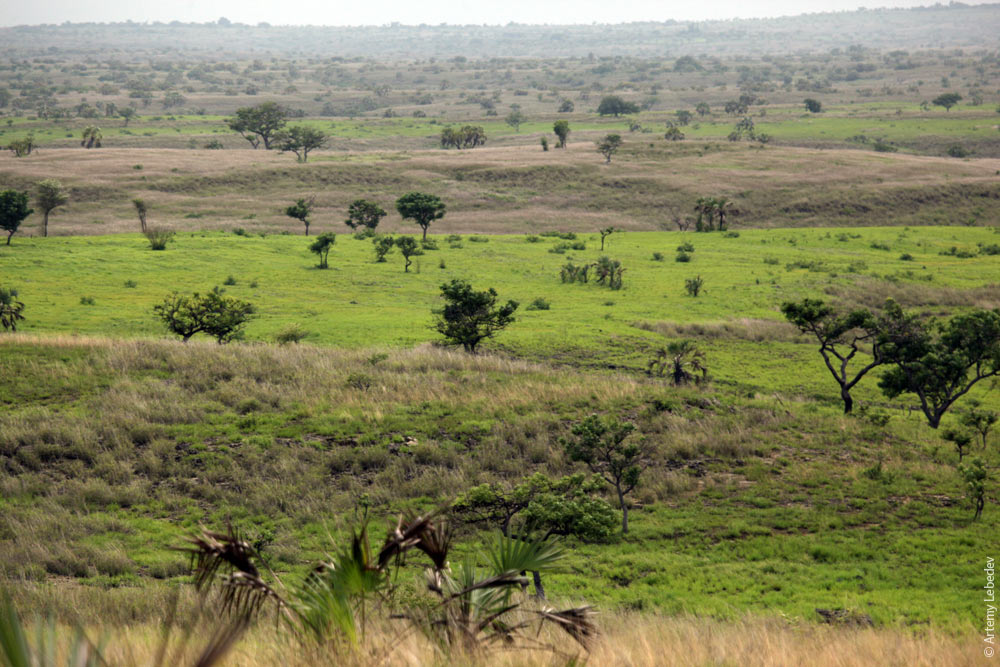 Birds such as kingfishers fly through the air. 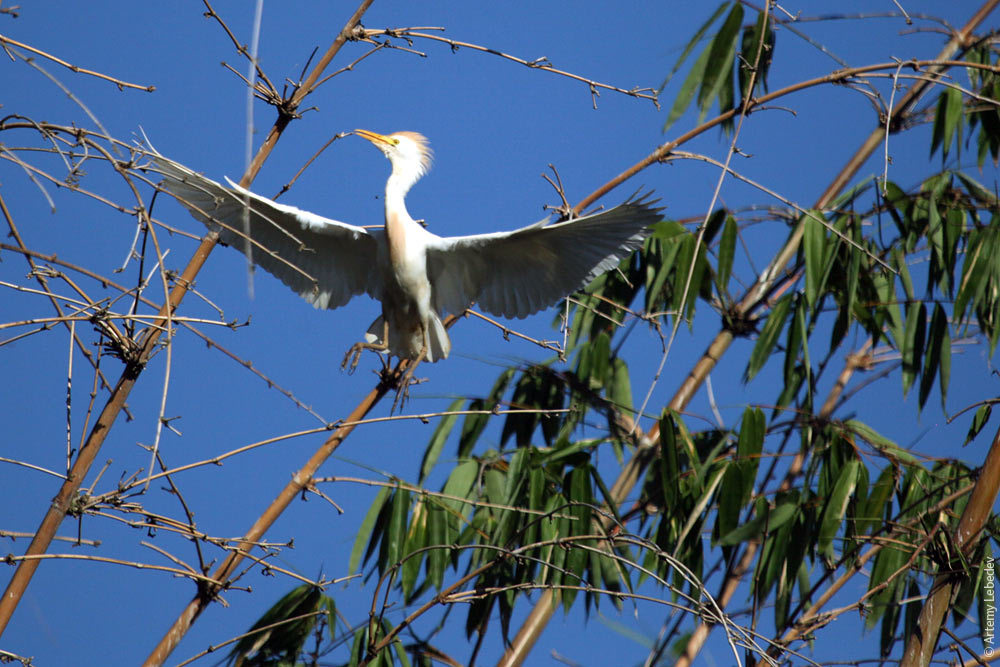 You can encounter lemurs of every type.  And other rare animals. 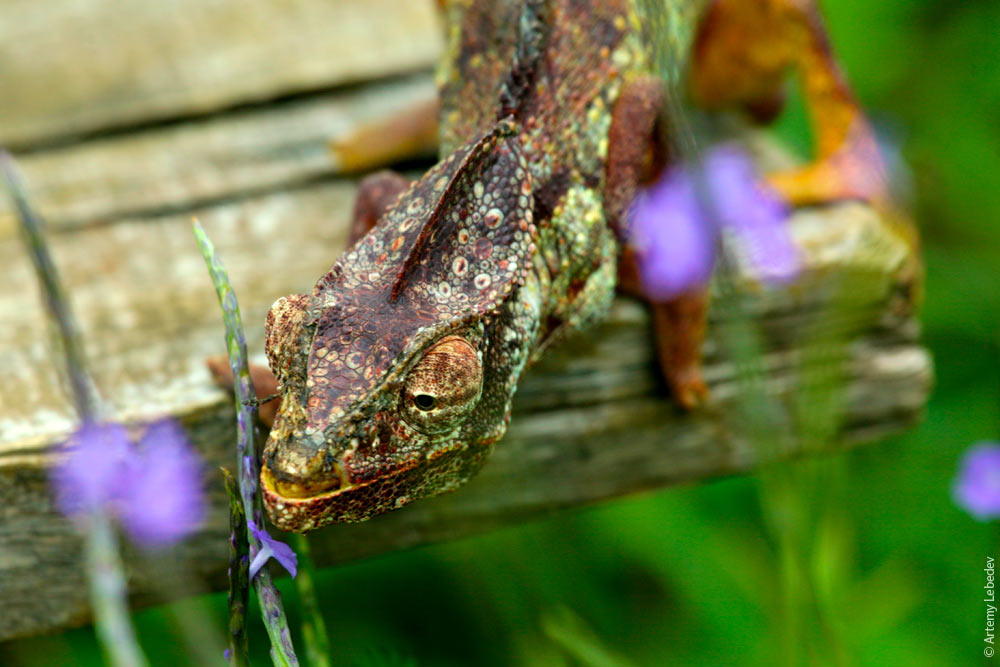 Well, yes, you can find all that, but you’ll have to look very hard for it. The Madagascar of today is a gradually decaying, very poor country with rising crime rates. About forty years ago, before the French left, it was flourishing. Then the country gained its independence. 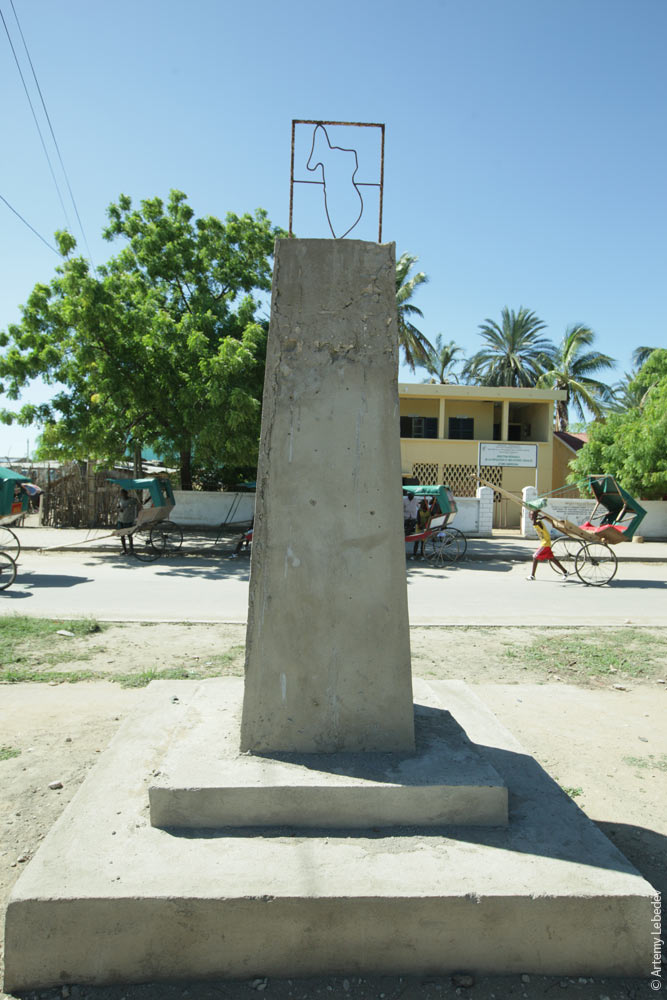 And independence, in any African country, is when things are like this: 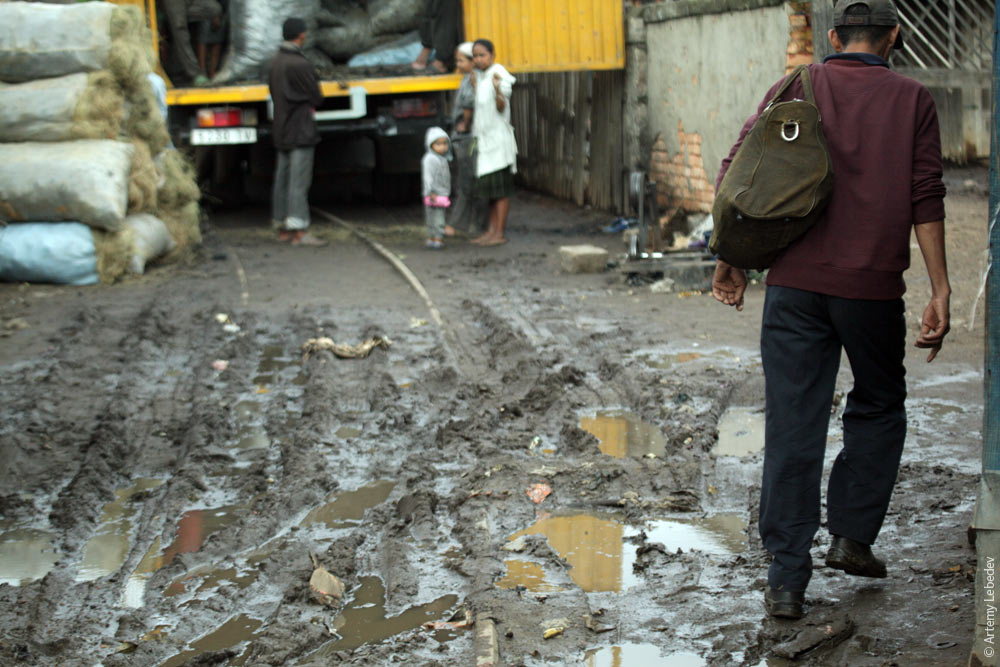 When the amount of flies is the same as the amount of meat on which they’re sitting. 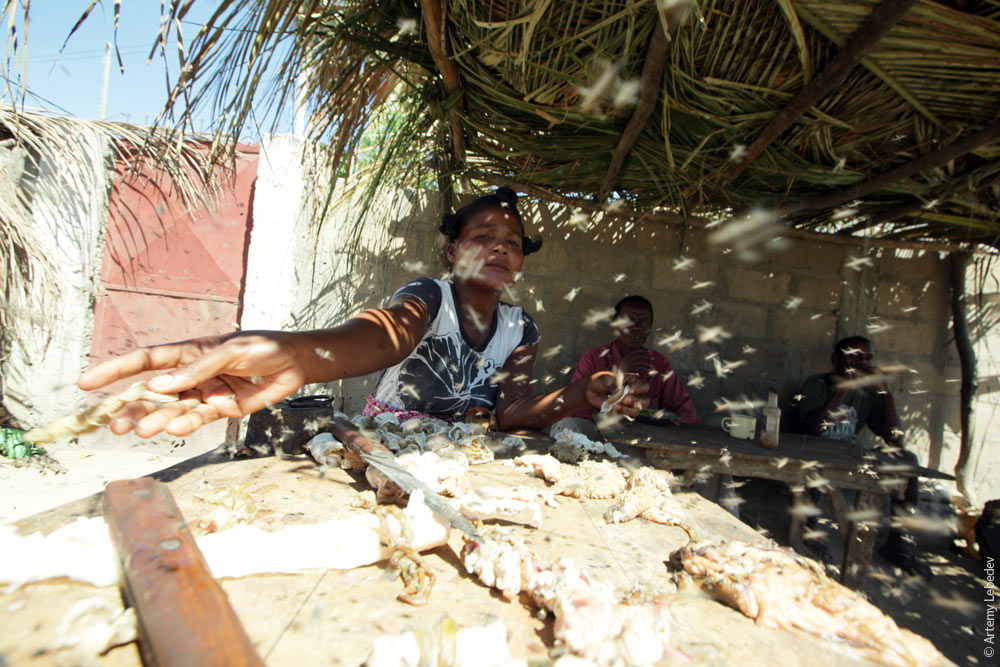 When a tourist can get robbed in broad daylight at any moment. When a restaurant smells like a trash dump. When the best hotel room in a national park has a plank bed with a musty mattress and no air conditioning. When a restaurant consists of a bunch of pots on coals in the middle of road. 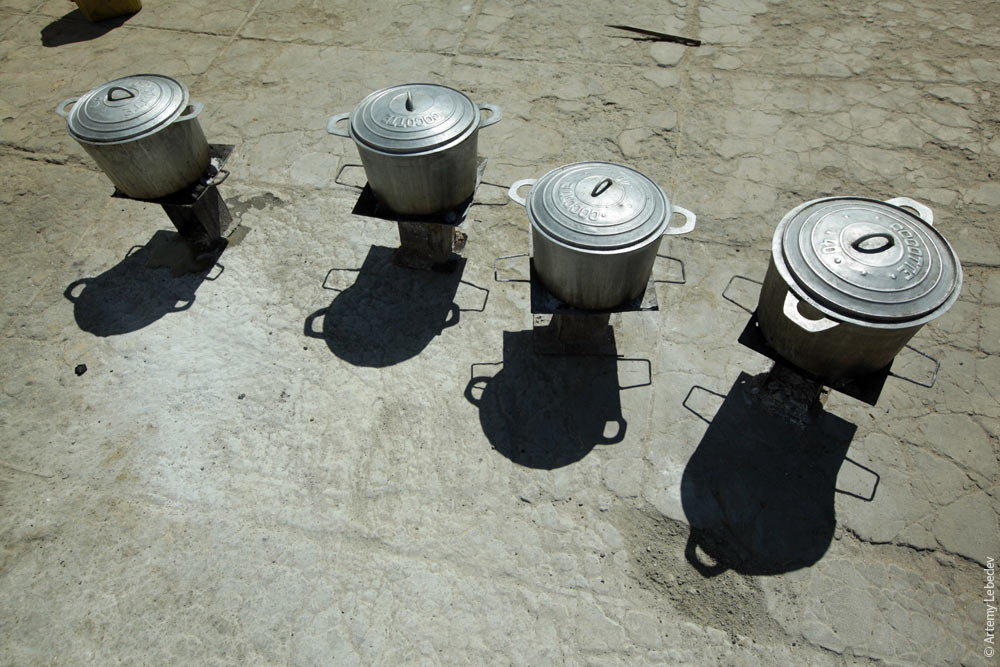 When agricultural transportation is primarily buffalo-based. 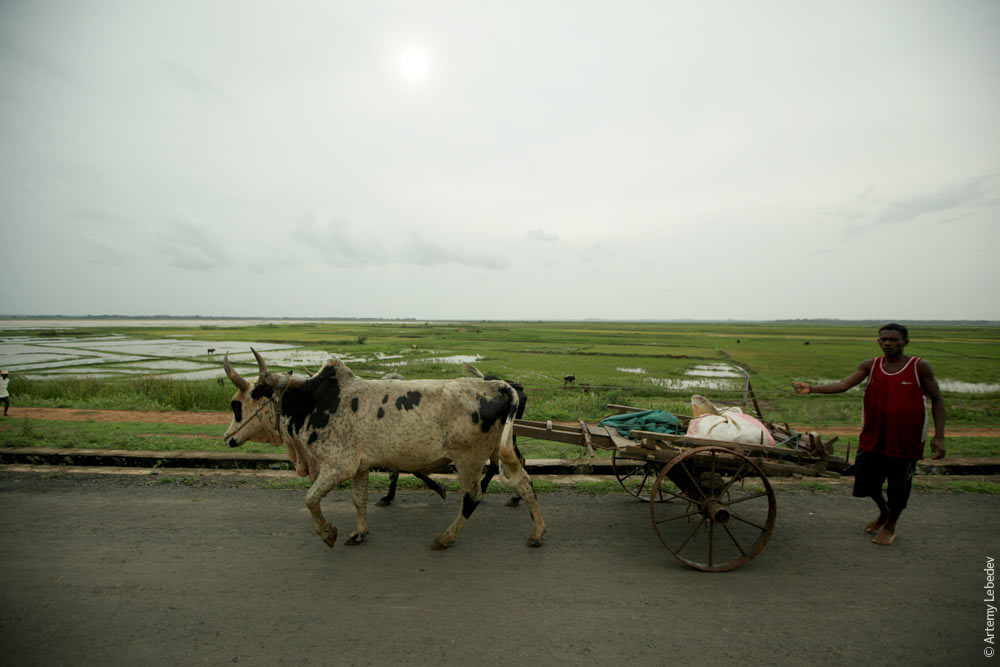 When water is retrieved from a public pump in plastic yellow canisters which previously contained American humanitarian aid cooking oil (like in Ethiopia, Sierra Leone or Tanzania). 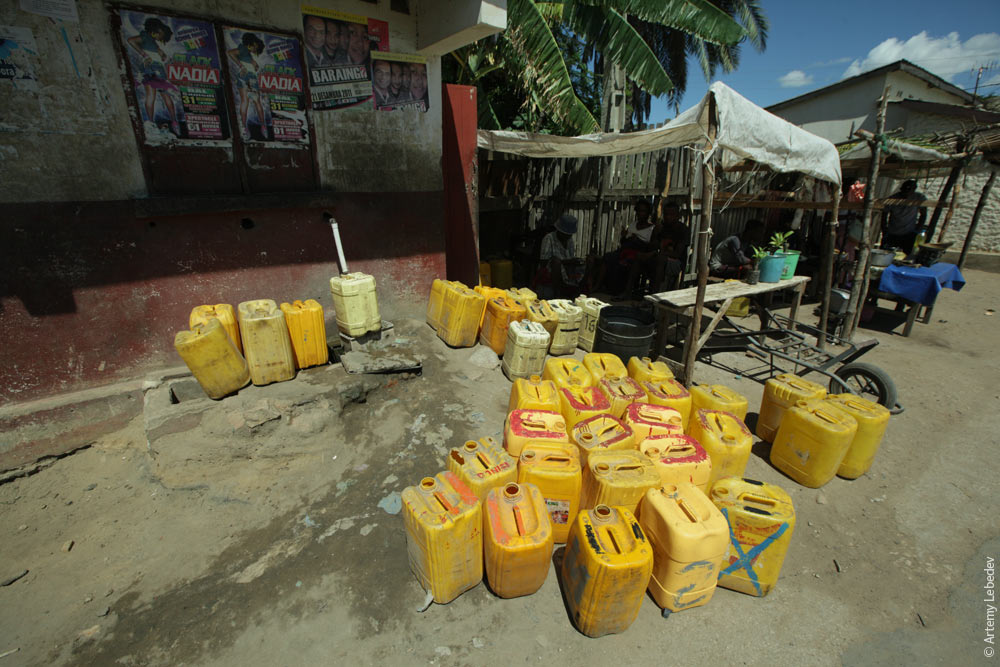 When the dishes are enamelware. 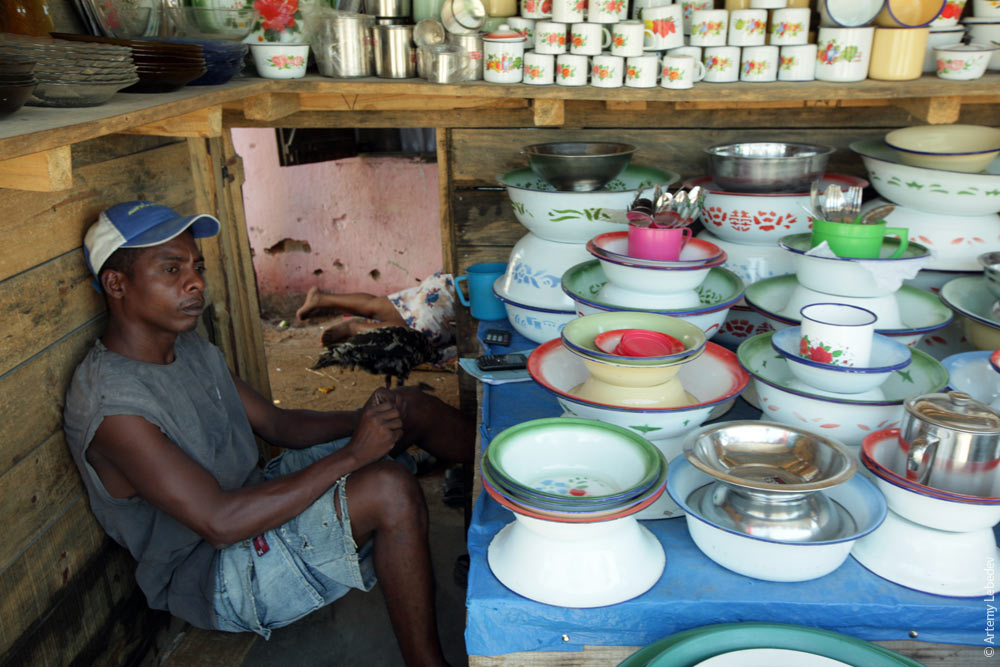 When the barber shapes haircuts with a razor blade. 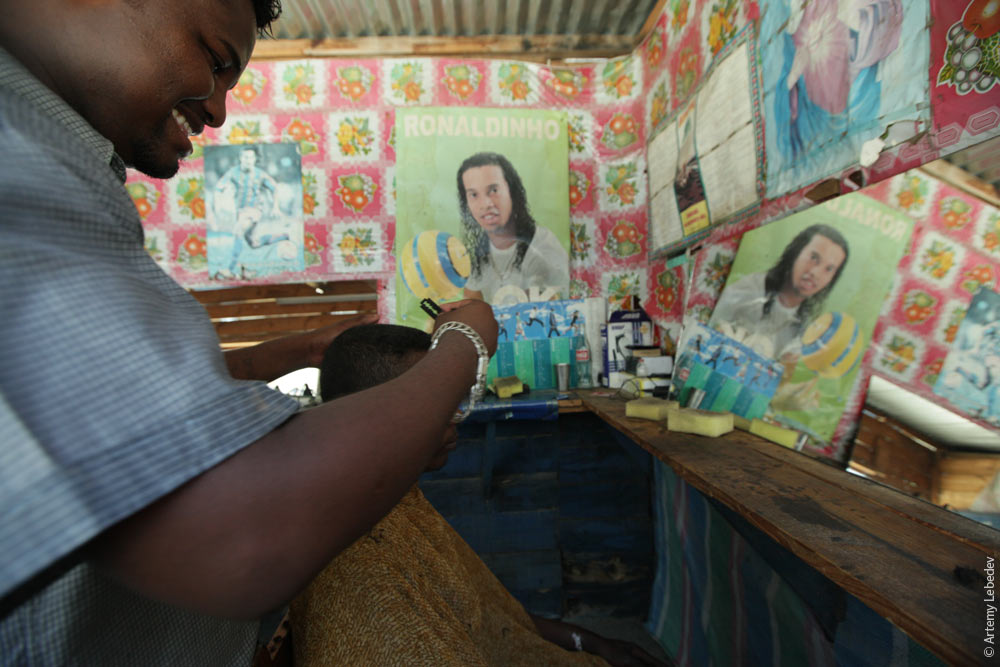 Local women wear masks to protect their face from the sun. 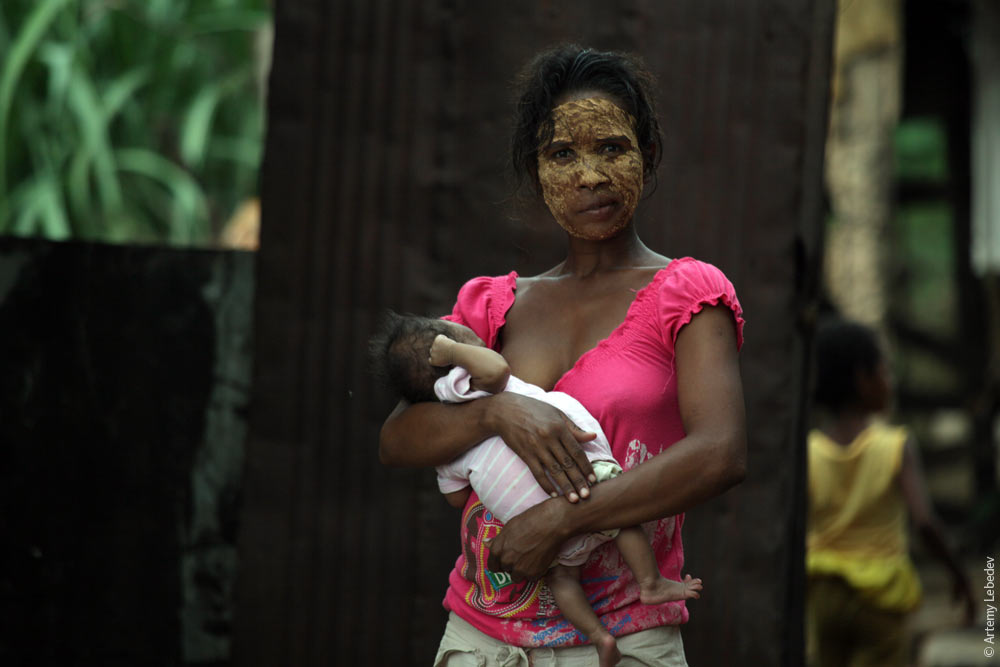 But not all of them. 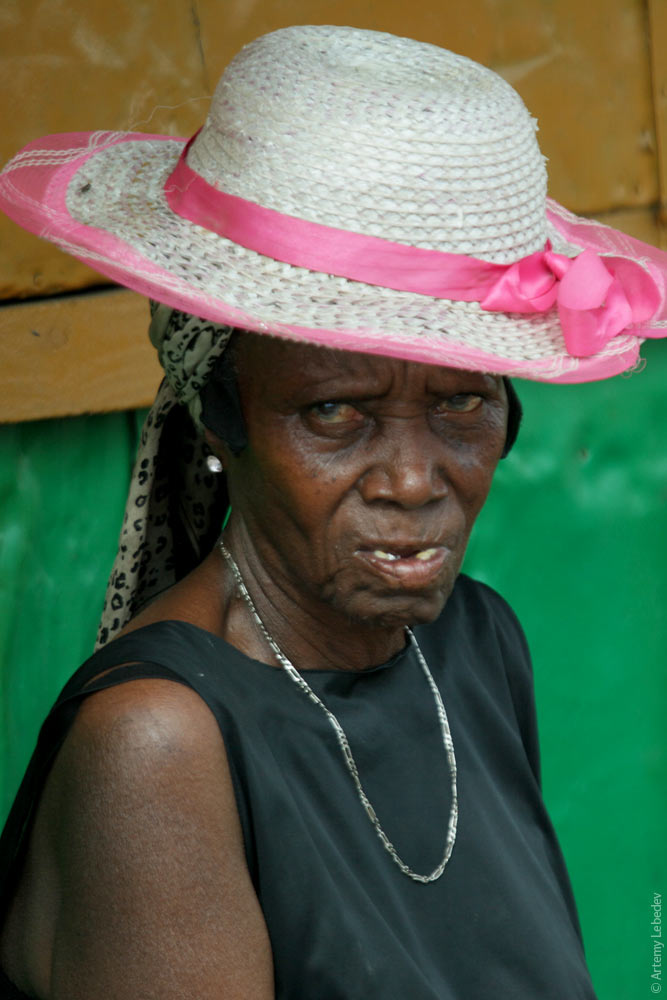 The main type of cargo vehicle is the kalesa, a sort of platform cart with a requisite steering wheel. 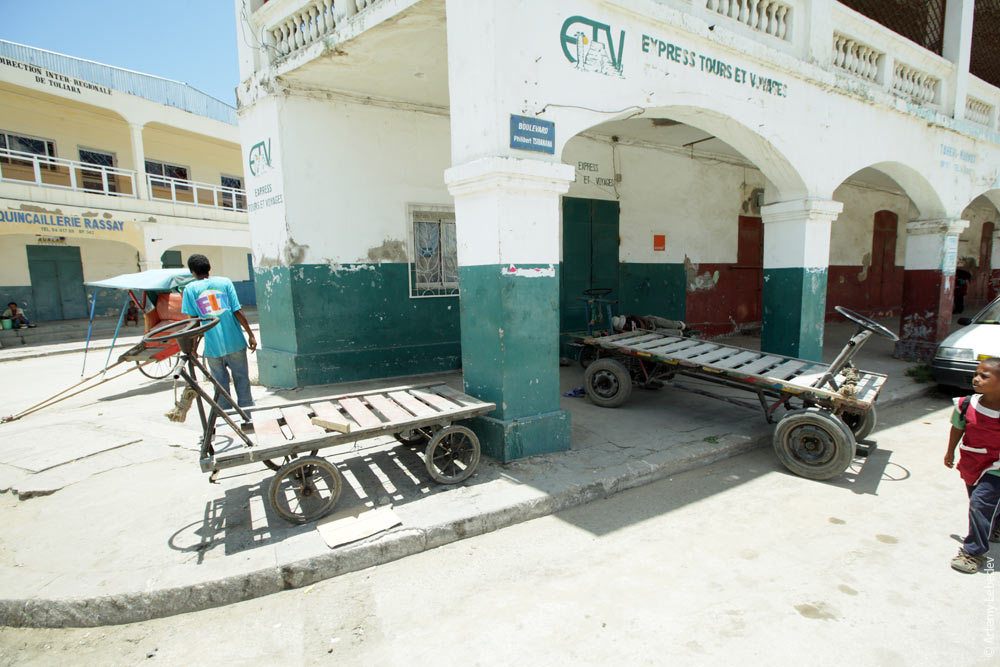 There are also small kalesas where the steering is done with reins. 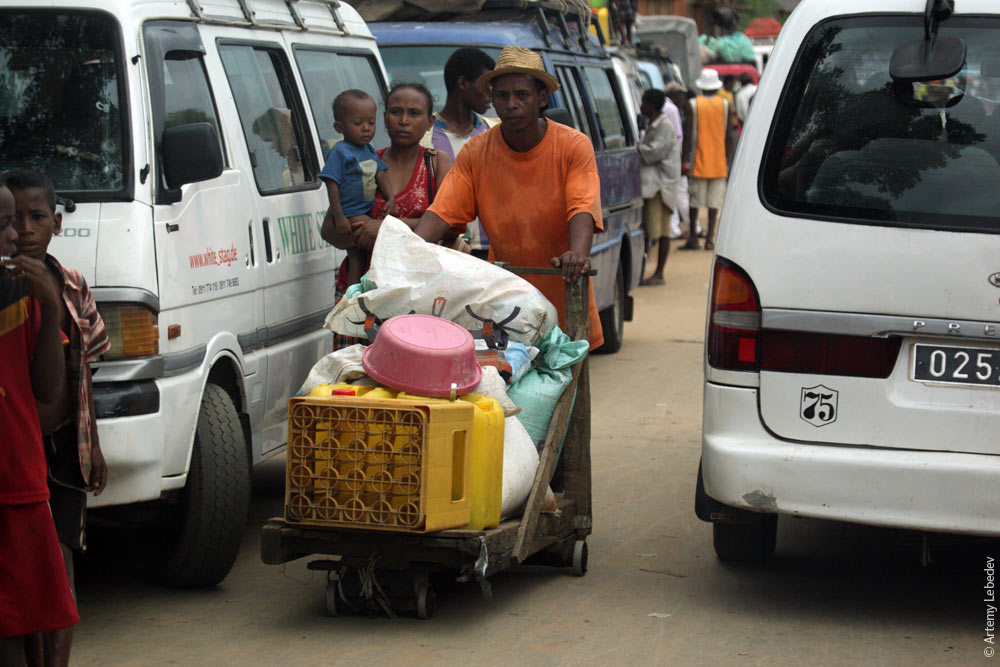 Payphones come in the compact booth variety, in yellow and green. 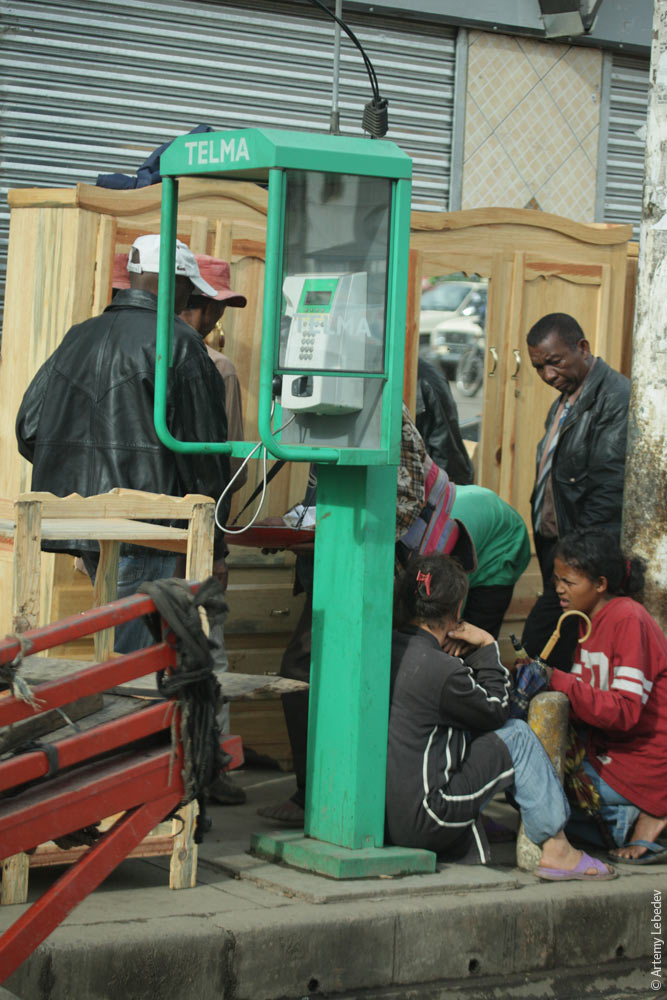 As well as in full-size phone booths. 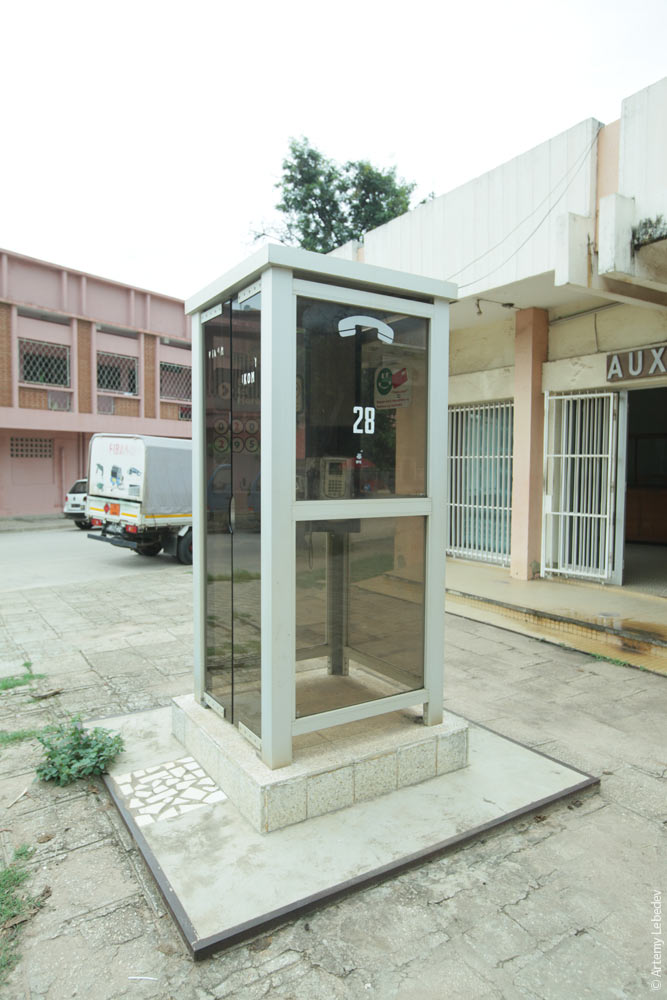 Everyone tops up their mobile phone balance at stands which are easy to spot thanks to signs on neon-pink or neon-green cloth. It works like this: in the morning, the owner of the stand runs to the mobile operator’s office and adds some money to his account. When a customer shows up and pays, the owner transfers money from his mobile account to the buyer’s. He makes a profit by adding a small surcharge. 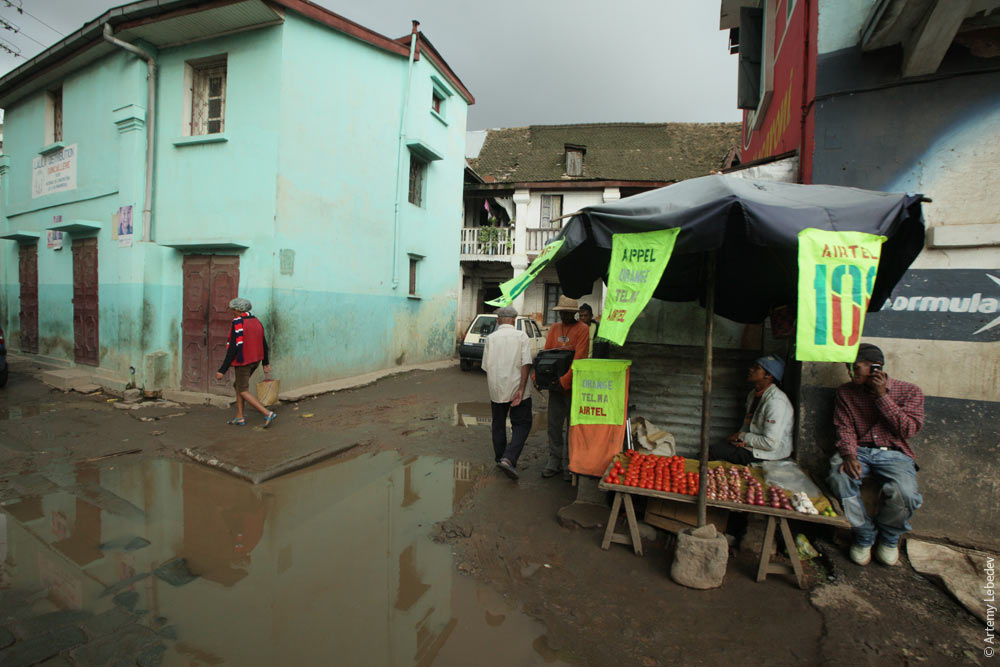 There are no post boxes in the country (only one old French one at the airport in the capital). Letters must be deposited into mail slots outside or inside a post office. 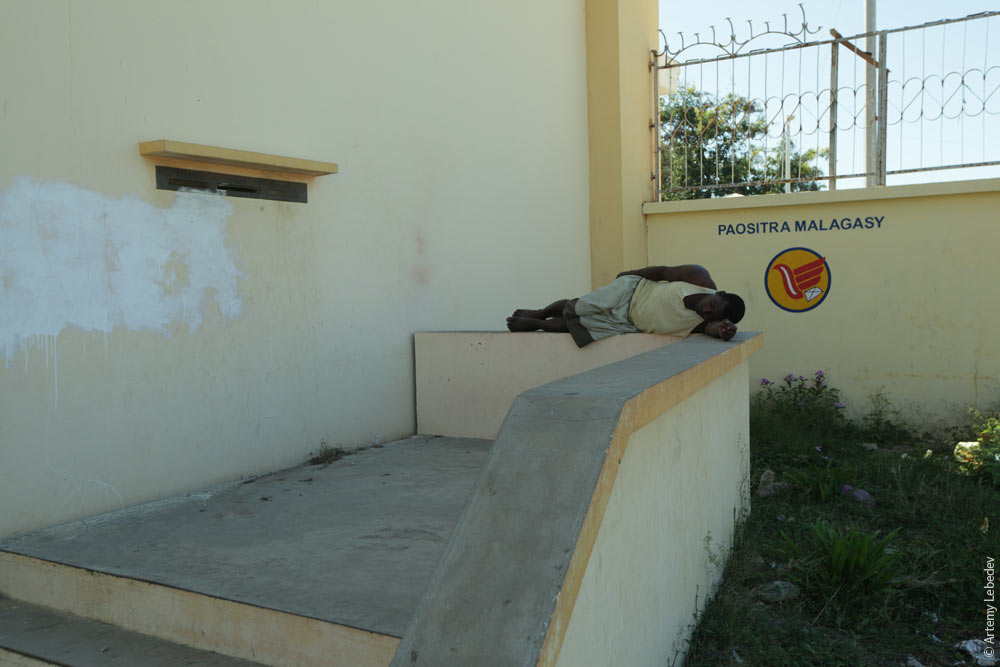 Almost all the benches are concrete. 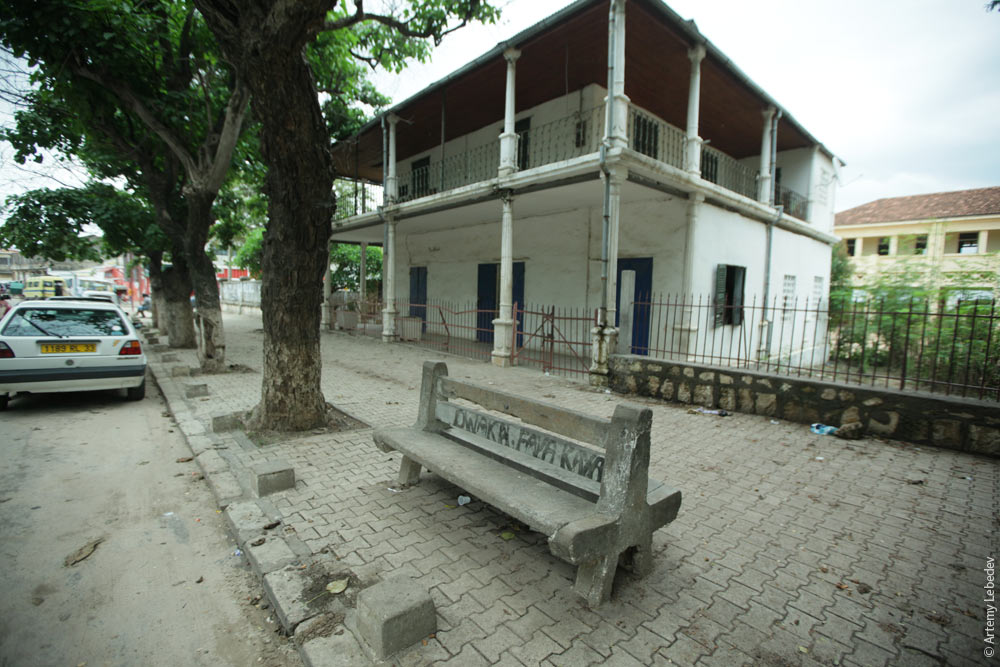 Sidewalks are blocked off from cars with intermittent nubs—a detail left behind by the French. 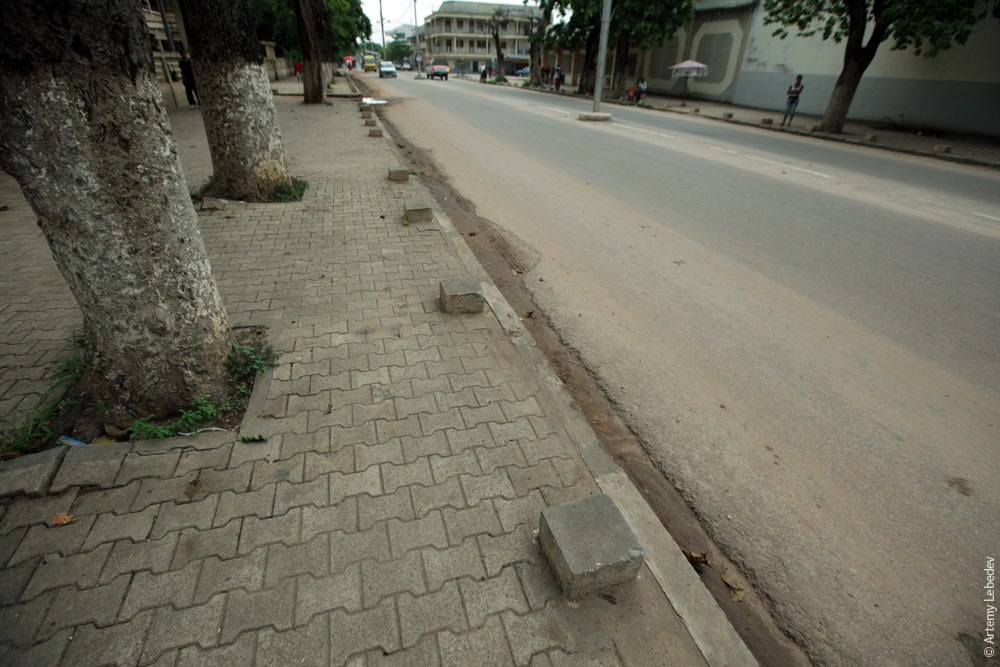 Wires are secured to utility poles on frames (like in Jordan or Egypt). 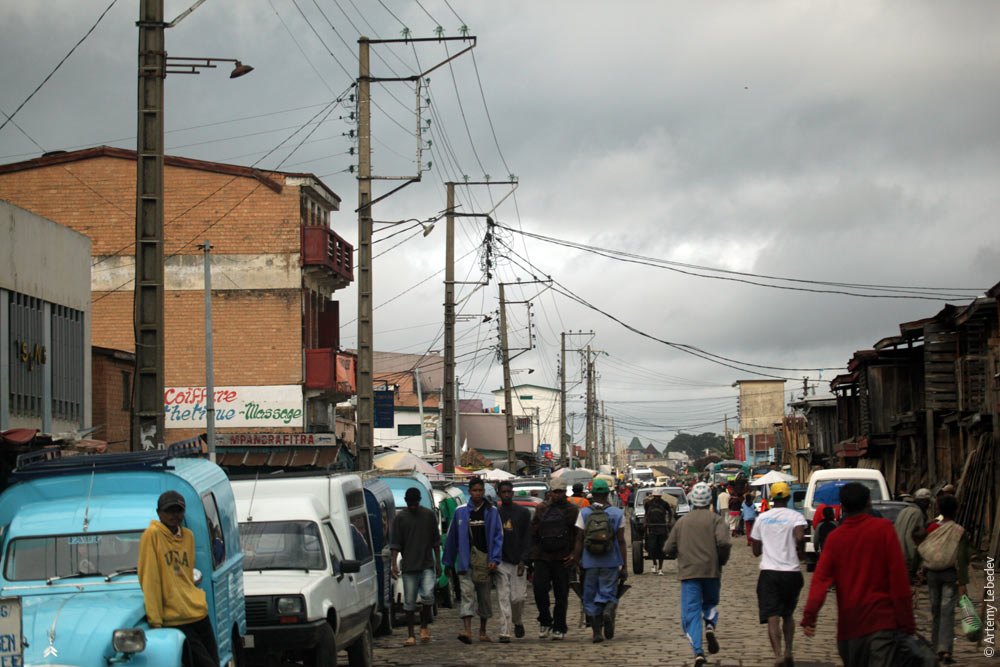 Instead of working, the entire male population plays foosball. 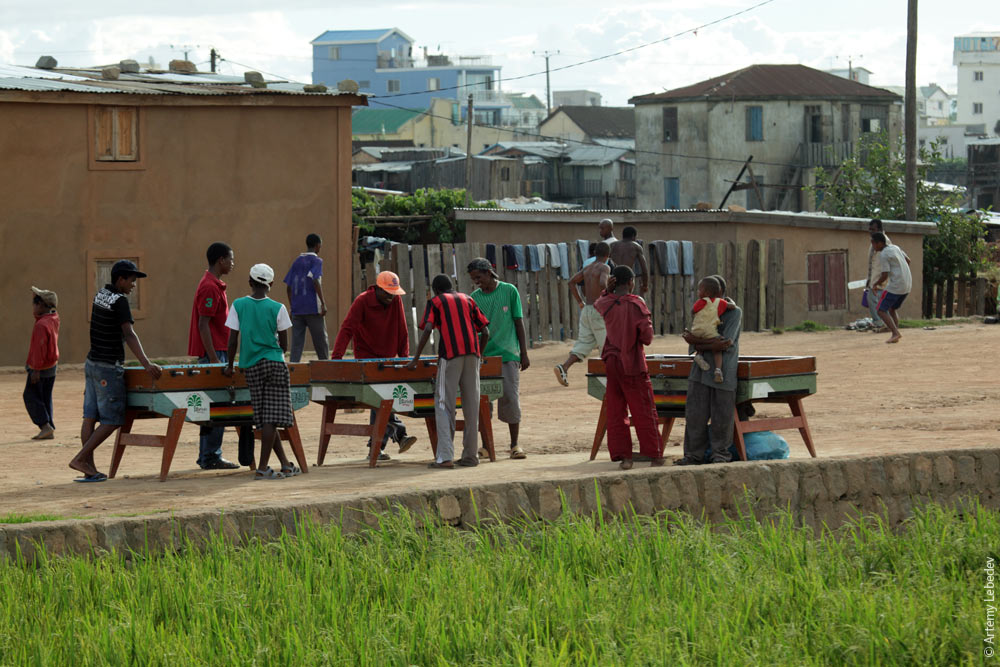 |
