Dagestan. Part IISeptember 28–30, 2007 The roads are unbelievably atrocious in parts. 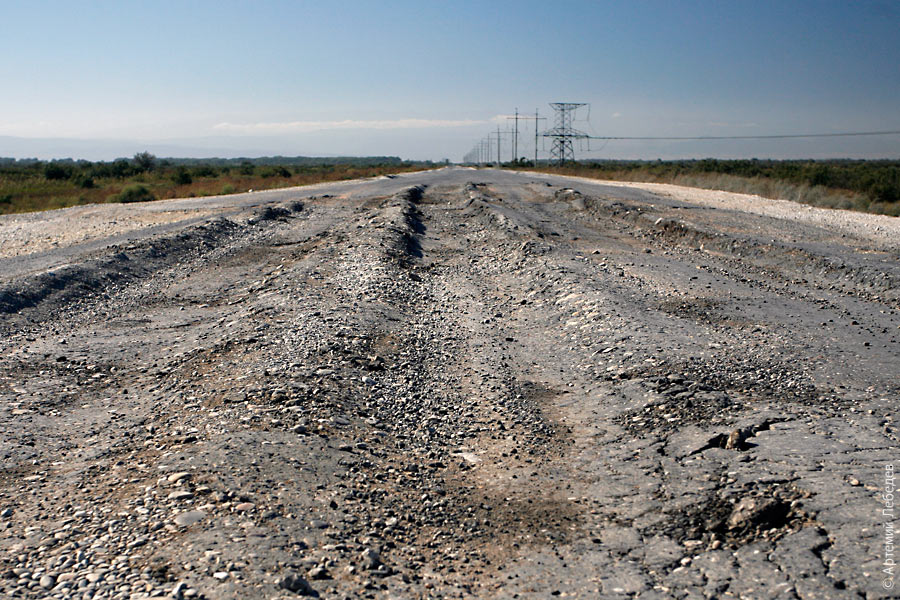 SulakMapSulak is a poachers’ village. After all, the Caspian is just a stone’s throw away, and in it there’s sturgeon. And where there’s sturgeon, there’s black caviar. Everyone comes here to get caviar and fish. Of course there’s a sign about the crisis next to the entrance, but they’re still doing a brisk illegal trade right in the central square. 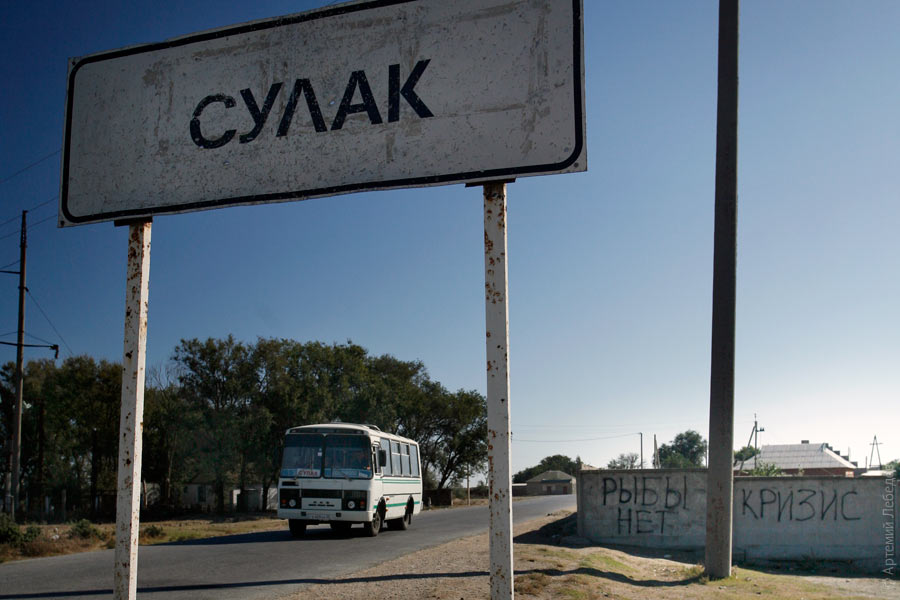 All advertisements are published in the traditional Caucasus format — painted on walls. 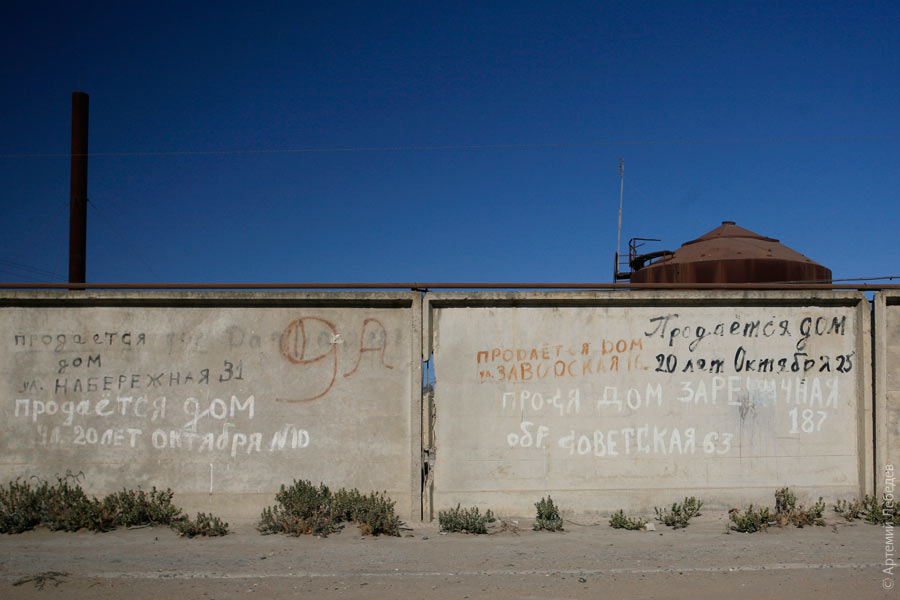 House for sale KhasavyurtMapKhasavyurt is a market city. Everyone comes here to sell, buy, or barter. All of Dagestan flocks here, as does all of Chechnya. 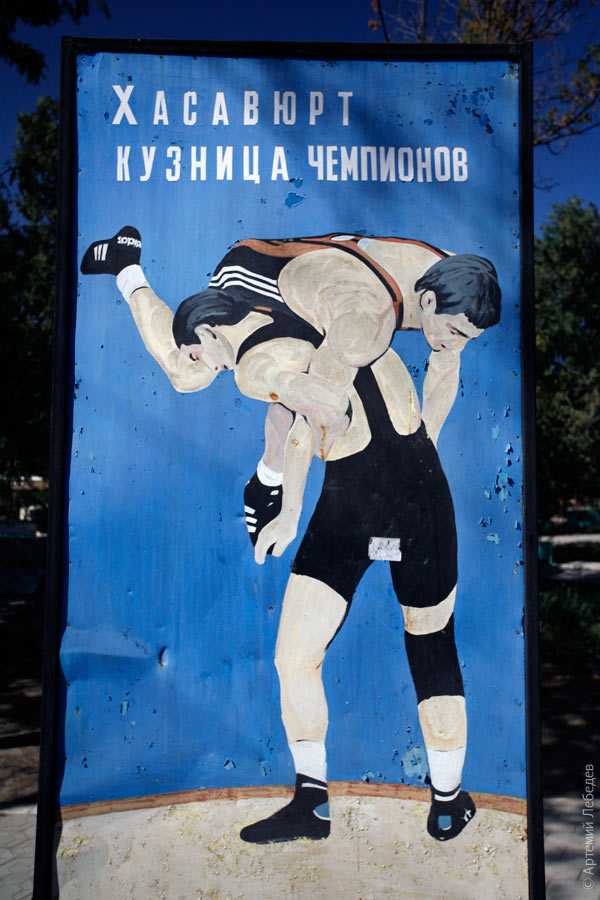 Khasavyurt — the cradle of champions Throughout Dagestan you see signs with abbreviations of the words “for sale”. Sometimes getting rid of a few letters seems justified, but that’s just an impression. Around here they abbreviate words even when there’s plenty of space. 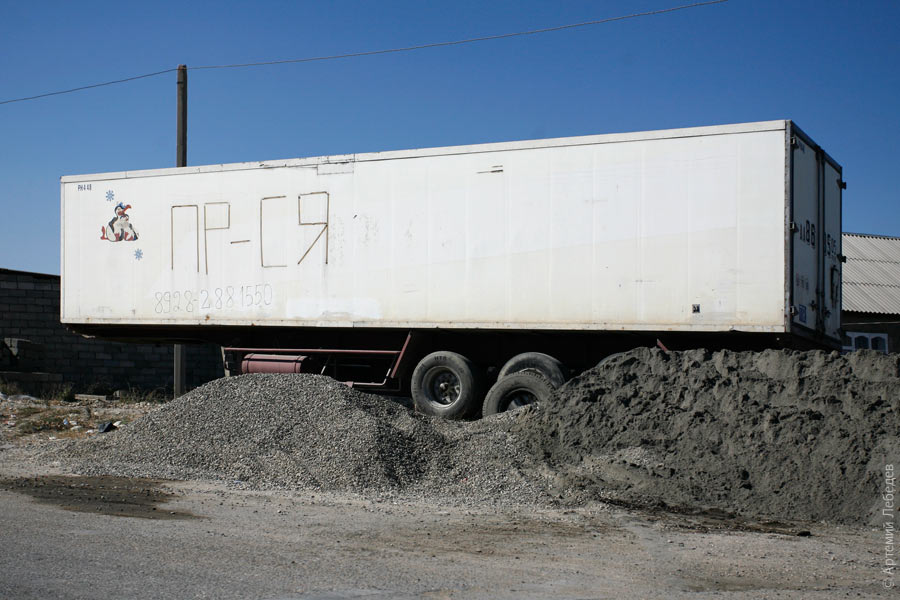 They still have fizzy drink vending machines here, just like in Uzbekistan. 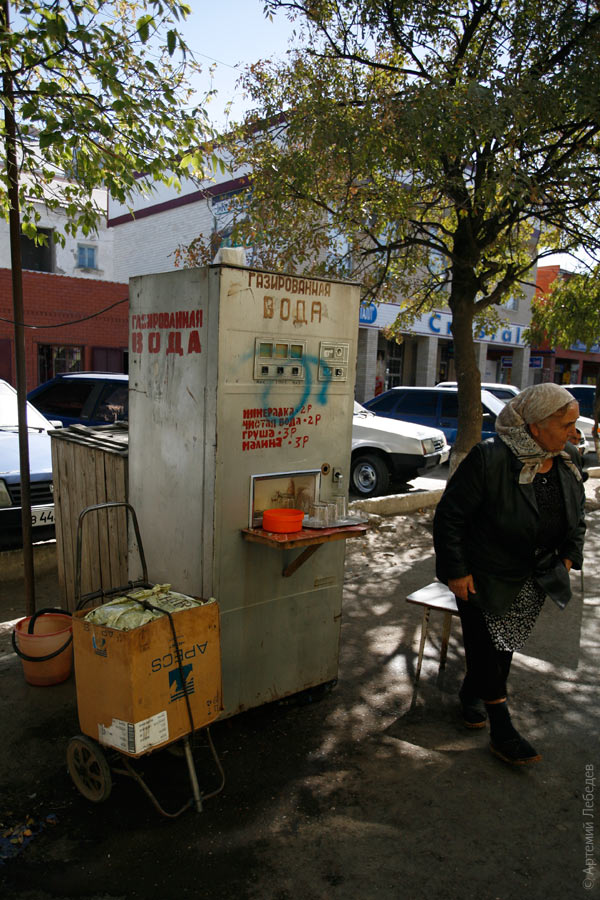 There are local beverages on sale. 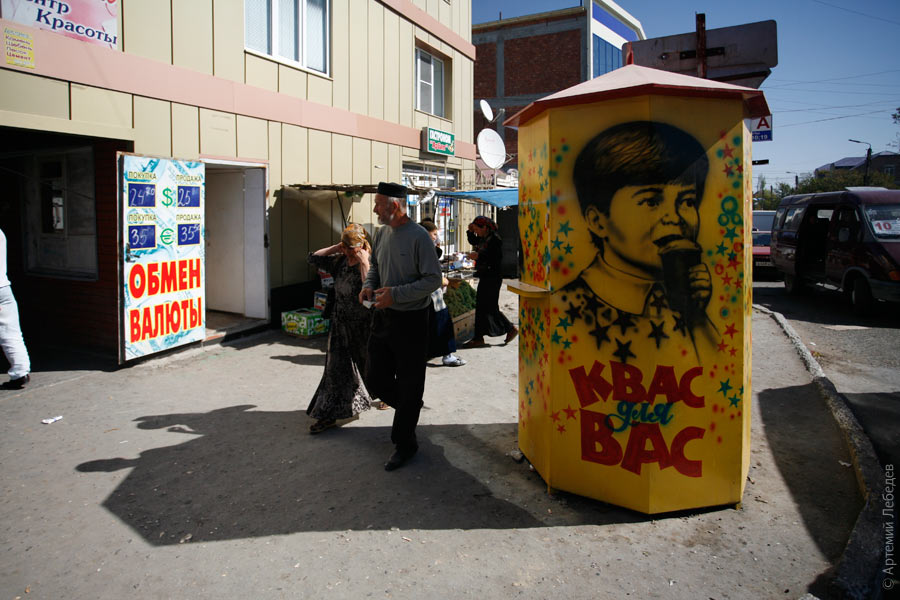 And foreign ones too, with total and deep-seated disregard for the feelings of multinational corporations — and rightly so.  The main motif you see on walls in Khasavyurt is the stencilled taxi ad. Right at this very moment a copper came up to me and asked what I was taking photos of. I explained. " My go-to is “Skorost” taxis", — he advised. 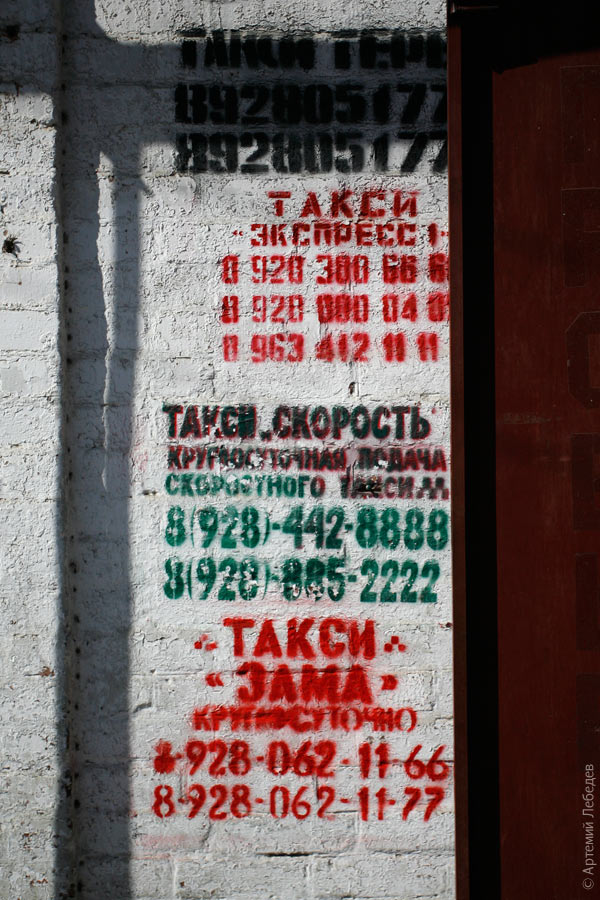 One of the main modes of transport in and around the markets is the scooter. They’re used to transport both goods and people. 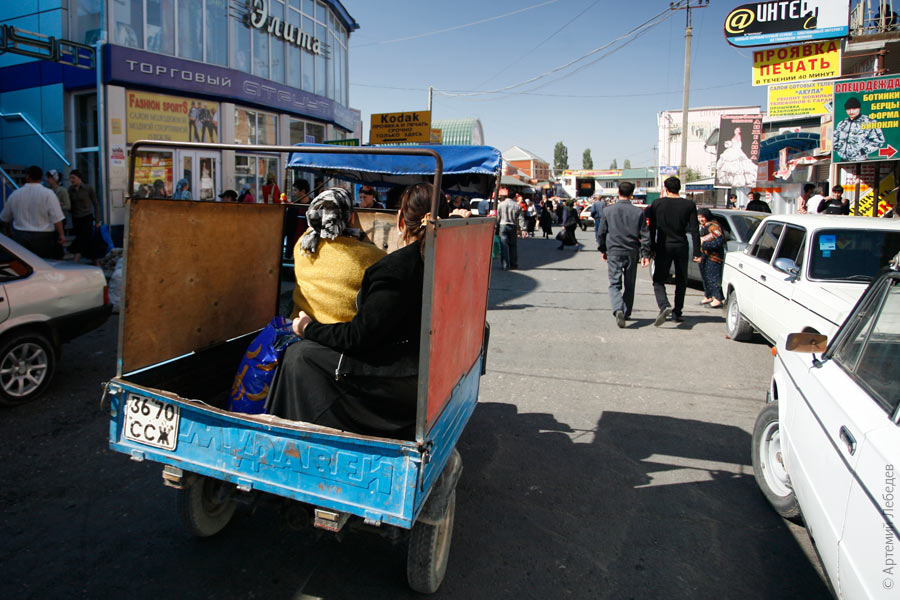 The minaret makes for an excellent mobile phone cell mast (the cell is the white marshmallow bit on the wall). 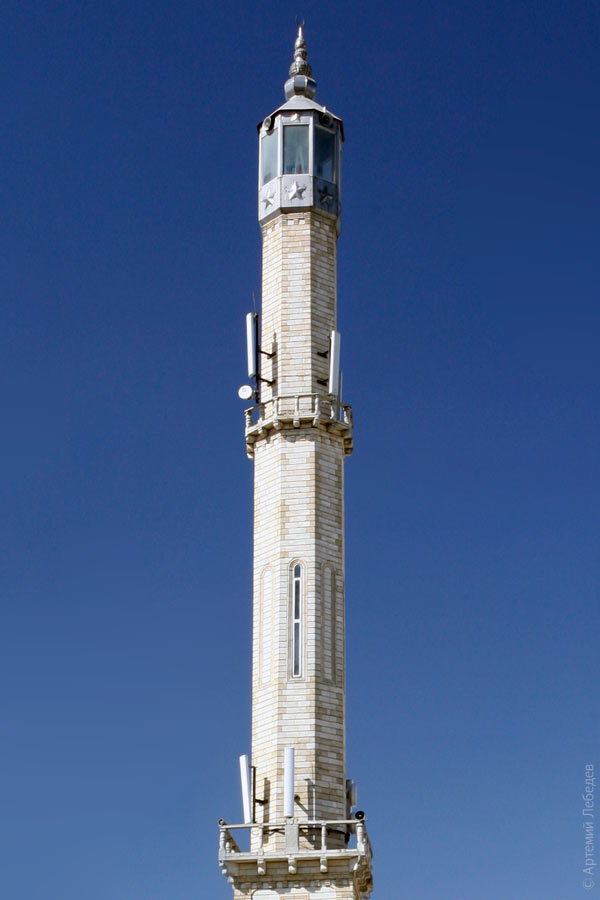 No sign of any insurgents anywhere. 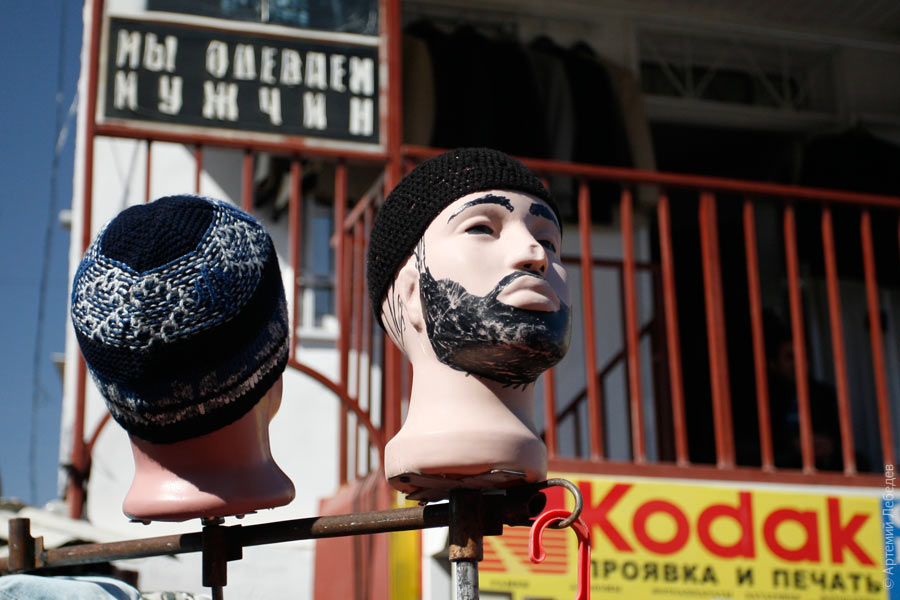 DerbentMapDerbent is also a market city, but with more of a construction bent. 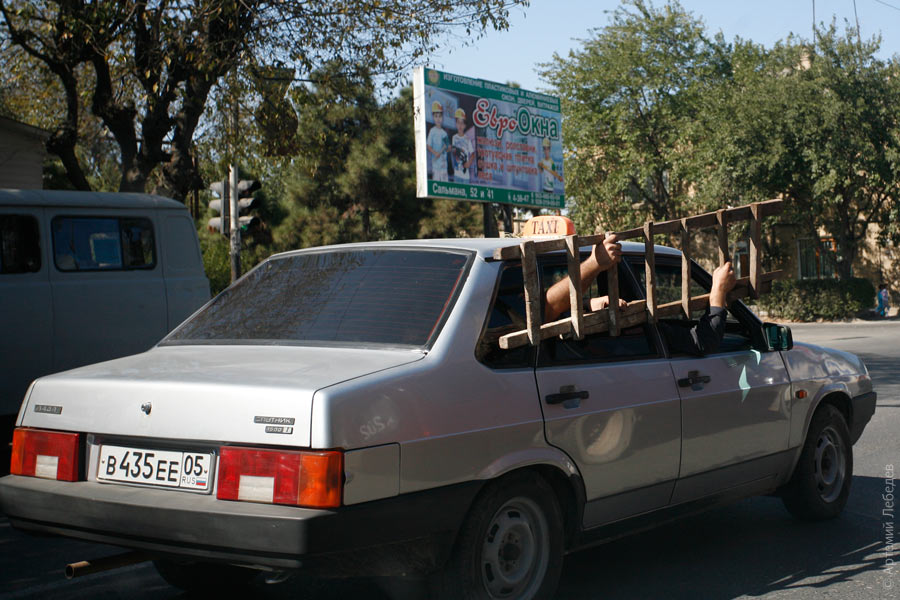 There are twice as many scooters here as in to Khasavyurt. 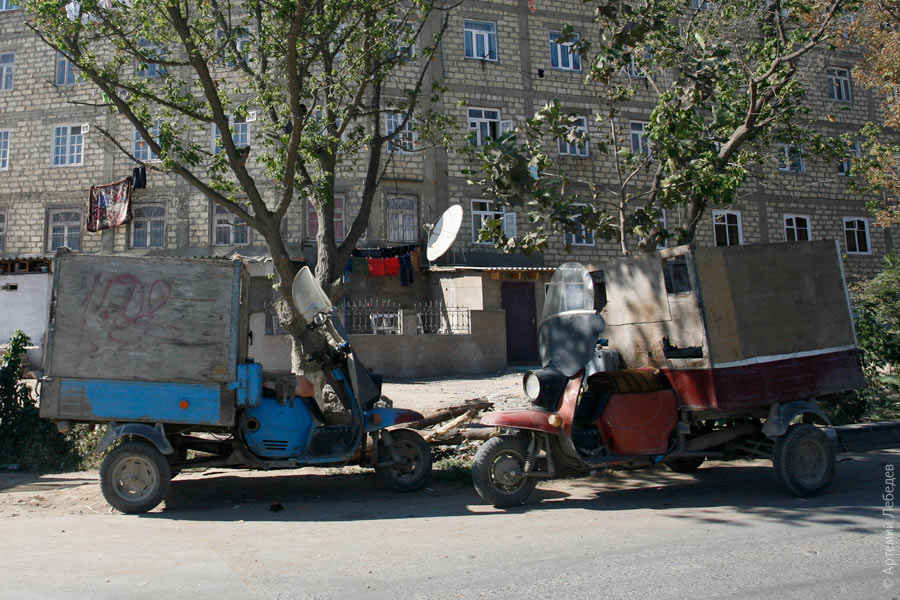 They also sell absolutely everything here, including that which, judging by its appearance, no one could possibly need. 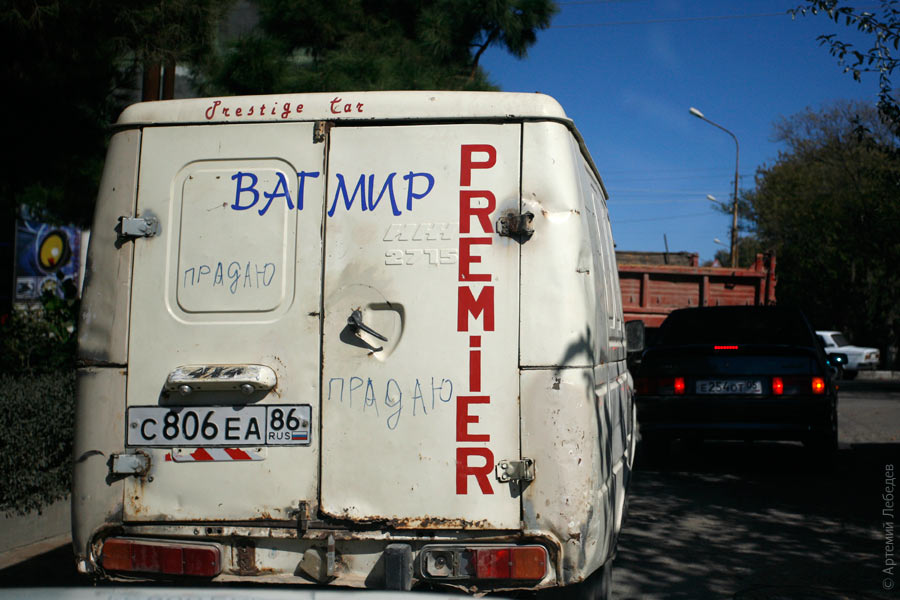 What’s the difference between a modern-day Eastern bazaar and a bazaar in, say, the fifteenth century? There isn’t one. They’re still selling jugs here, but now they’re shiny ones. 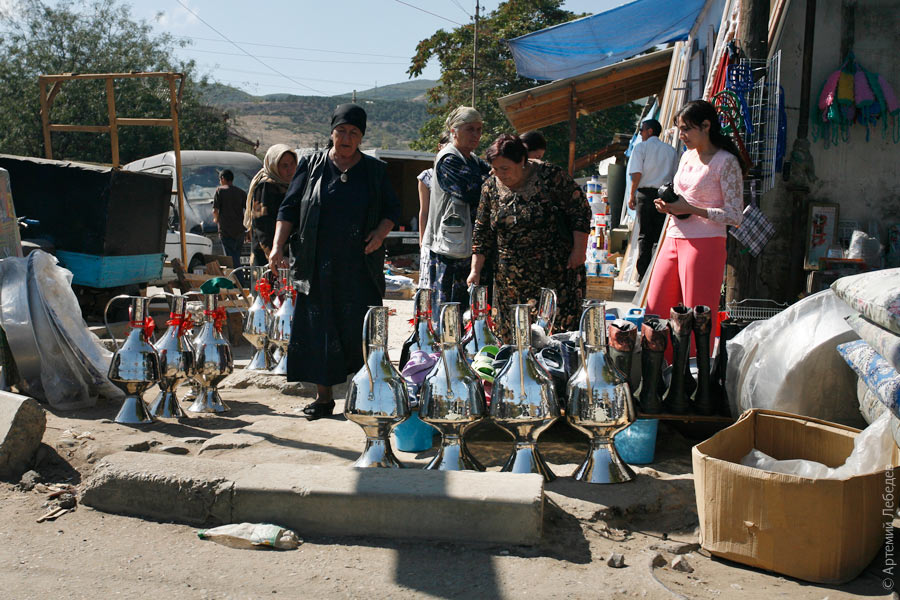 There’s a global economy institute on every street here. 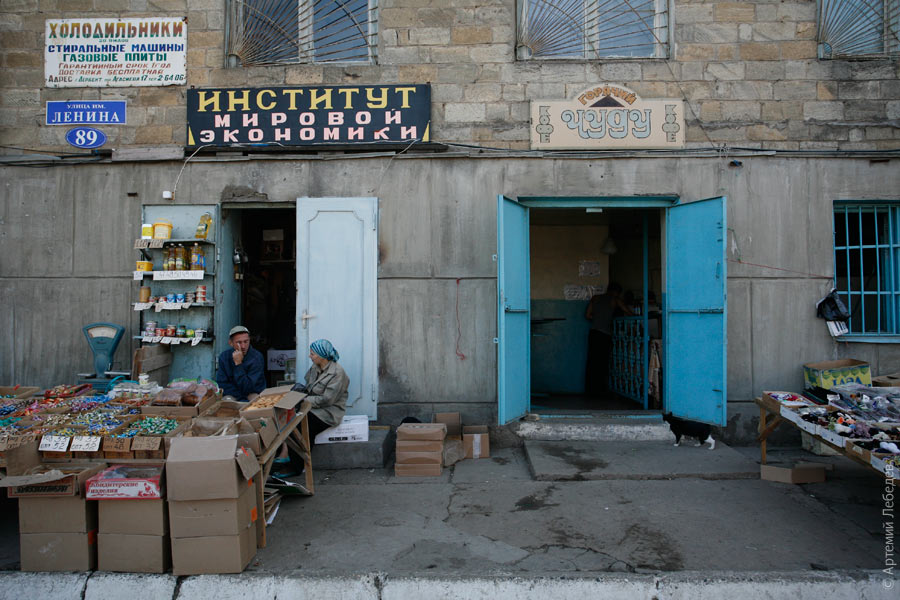 Global economy institute On the one hand, at every bustling intersection there’s a branded popcorn kiosk (when it’s not in operation it looks a bit like an overflowing dumpster). 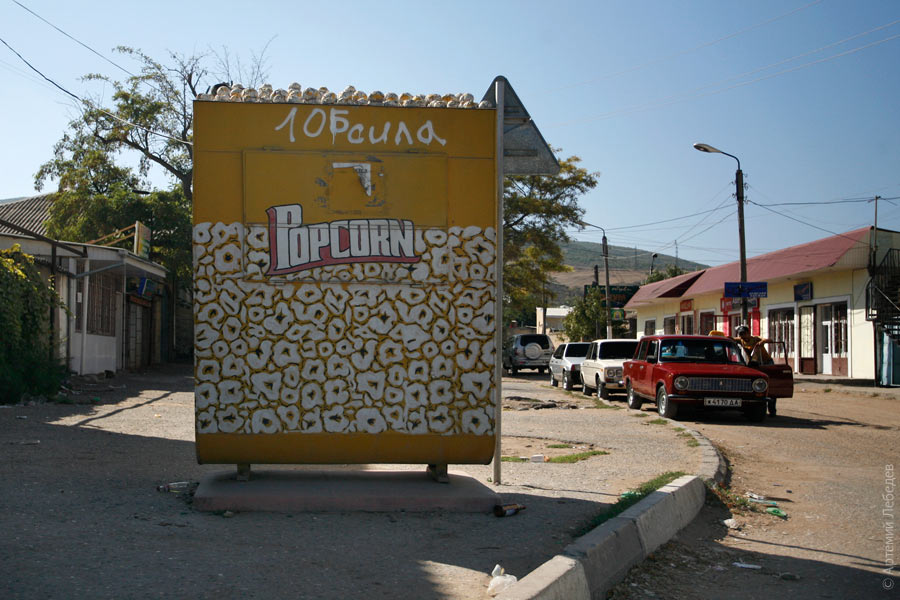 On the other hand, let’s not forget that we are in the East. 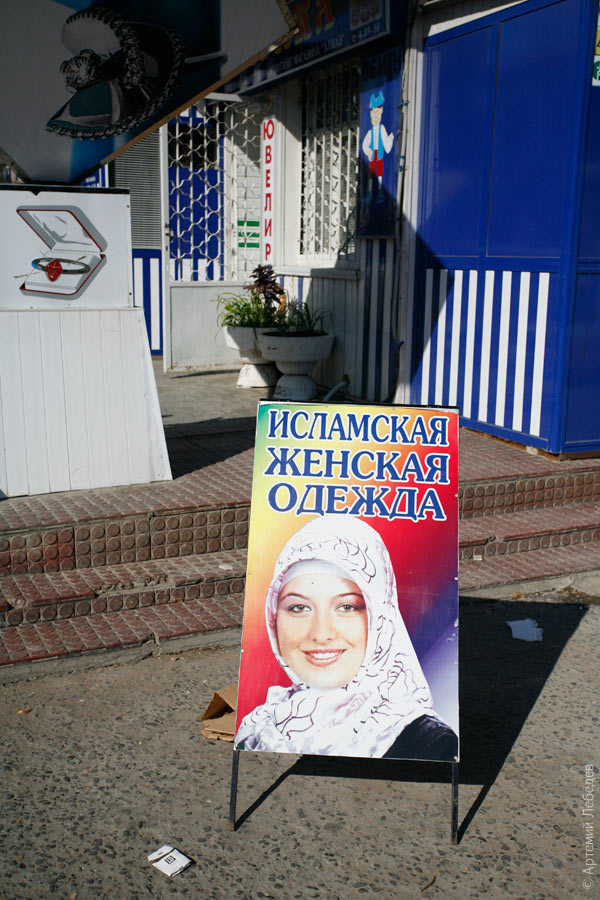 Islamic women’s clothing Strictly speaking, Soviet rule did extend to these parts. You don’t notice it in the villages. And in the cities you have to explain who Lenin was, even when speaking to educated people. 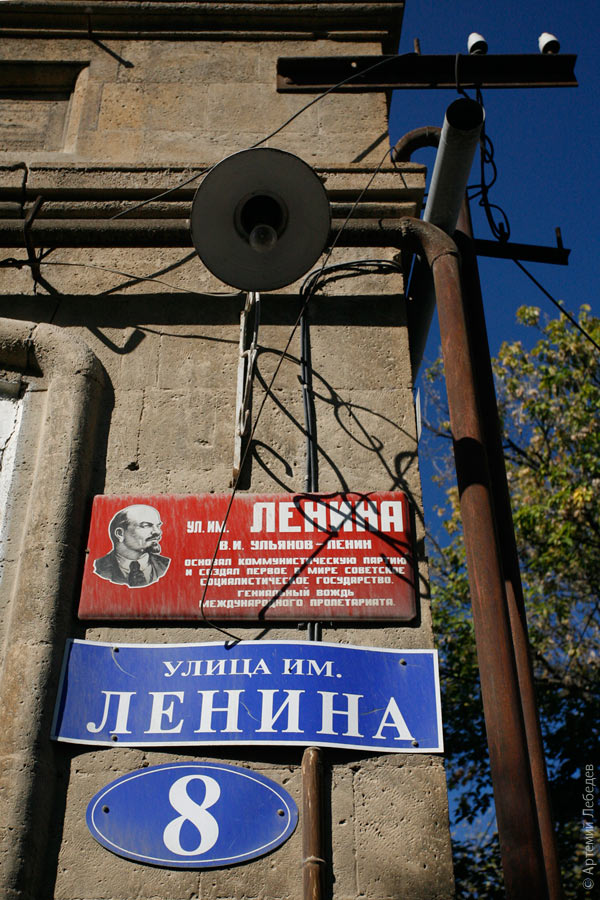 In Derbent itself people believe that their city is 5000 years old. Of course, this isn’t quite true. Archaeologists did find some evidence of a settlement in the third millennium BC, but these are insufficient grounds for dating the city. Nevertheless, Derbent is considered to be the most ancient city on Russian territory. This is a source of pride for the locals, although they don’t see themselves as being part of Russia when it comes to all other matters. 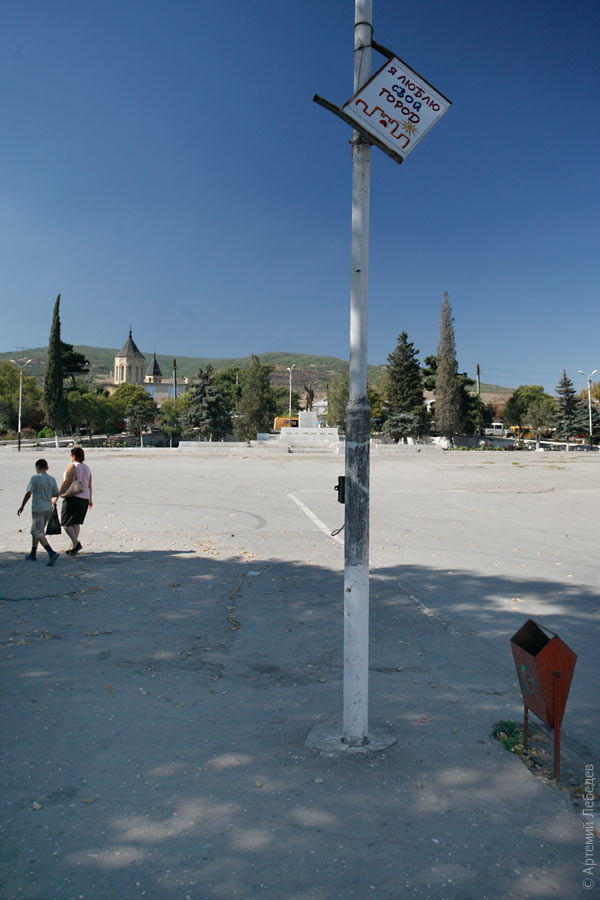 I love my city Notwithstanding the fact that the city massages the figures, adding a couple of thousand years to its age, it’s an amazing place. The main structure is the Naryn-Kala citadel on the hill. A wall runs from the fortress and into the sea, formerly a hurdle which caravans travelling along the Caspian had to clear. The foothills of the Caucasus are on the other side. Since time immemorial merchants have had to pay to go through Derbent. The fortress and the old town are on the Unesco “World heritage” list, which the world considers to be über-cool. These gates in the wall are well preserved, they even have screws in them for hanging advertisements. This piece of world heritage has been here for a thousand years and a “European windows” sign certainly isn’t going to do it in. 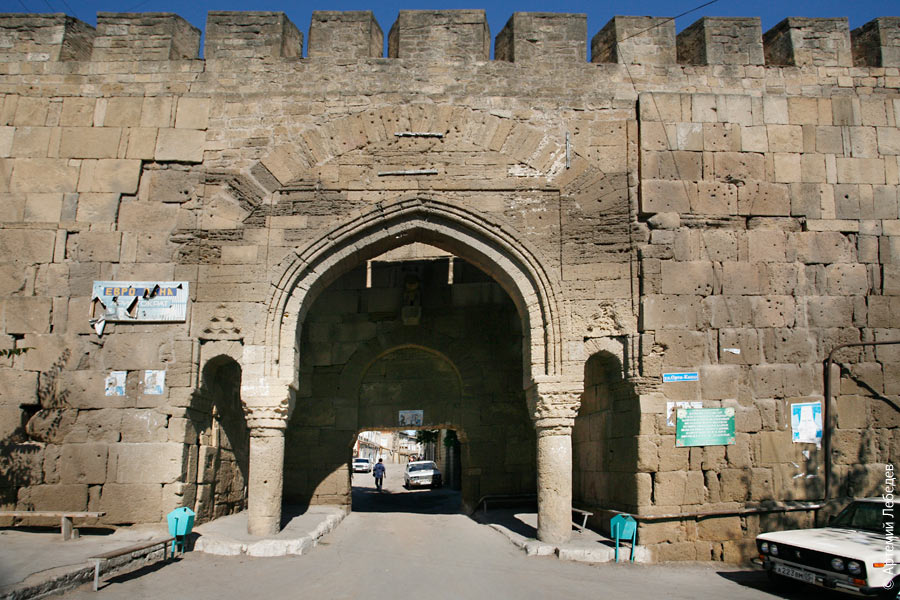 What is particularly pleasing in the East in general and in the Caucasus in particular is that here everything is like it used to be. The usual rules, norms, standards, restrictions, or safety regulations don’t apply. Want to climb up onto the gates, go ahead. If you fall from a height of ten metres — it’s your own fault. No one is going to put up a barrier or a sign — after all, who needs ‘em? You can see Naryn-Kala at the top. 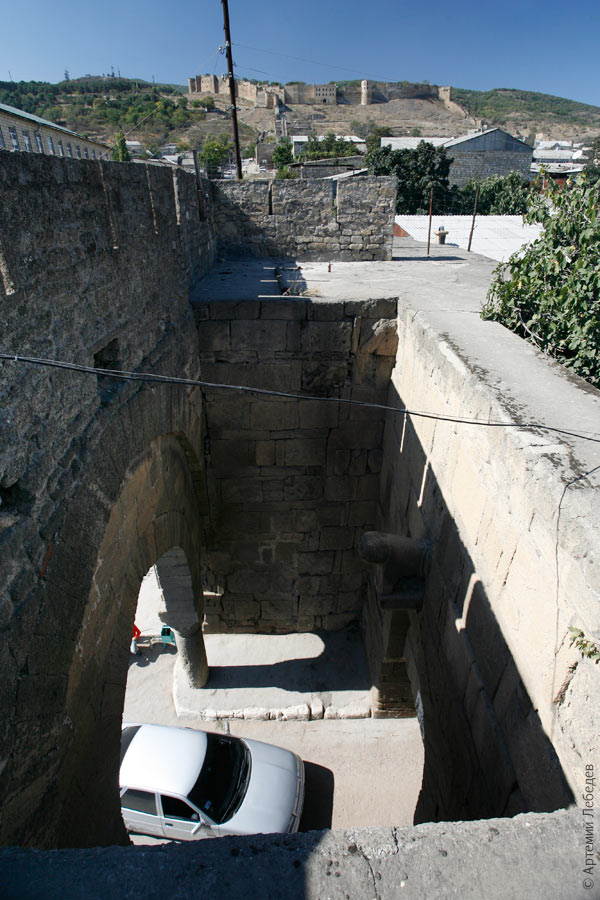 They sell bread here without any plastic bags — oh joy! As a result it doesn’t lose the remnants of its flavour like it does in supermarkets. In the centre of Moscow it’s practically impossible to find a place that sells tasty fresh bread, but here it’s on every corner, and all of it is delicious. 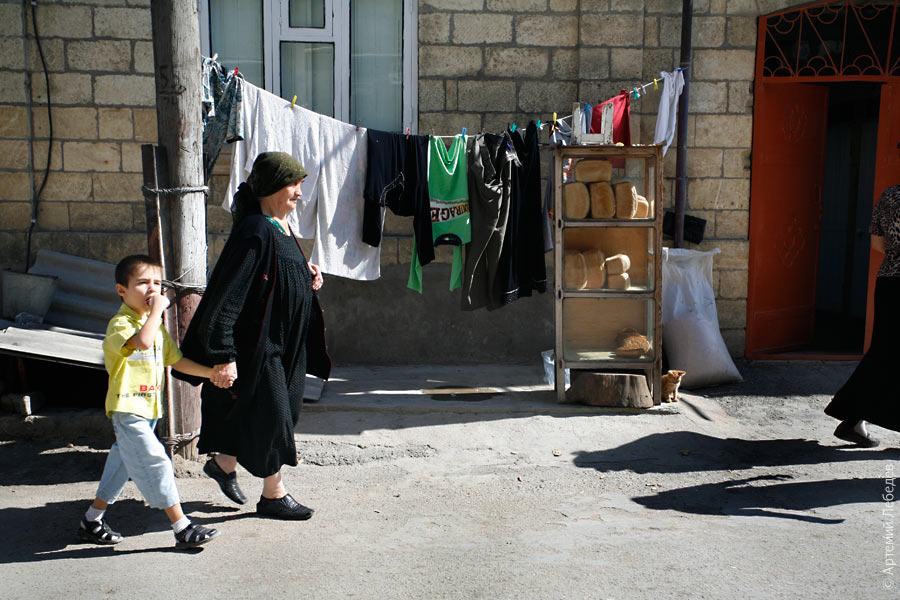 It must be said that I didn’t manage to eat anything that tasted bad in Dagestan. I was also struck by the absence of bad odours, both at the markets and in people’s houses. It’s a rare Russian residential building that doesn’t have something rotting in it, if not in the apartment itself, then in the stairwell. Here the air is fresh, windblown mountain air. The streets in the old town are unbelievably narrow. 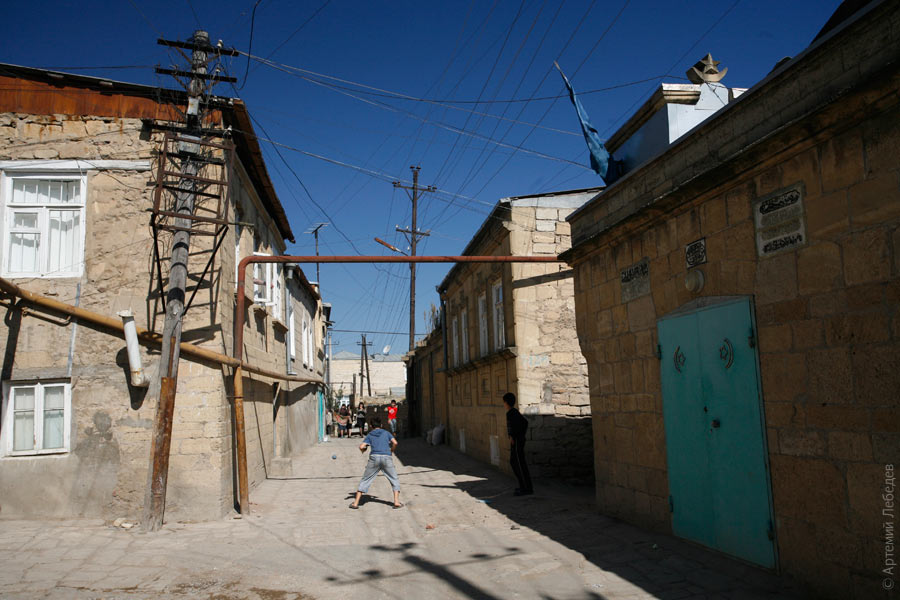 It’s another world. 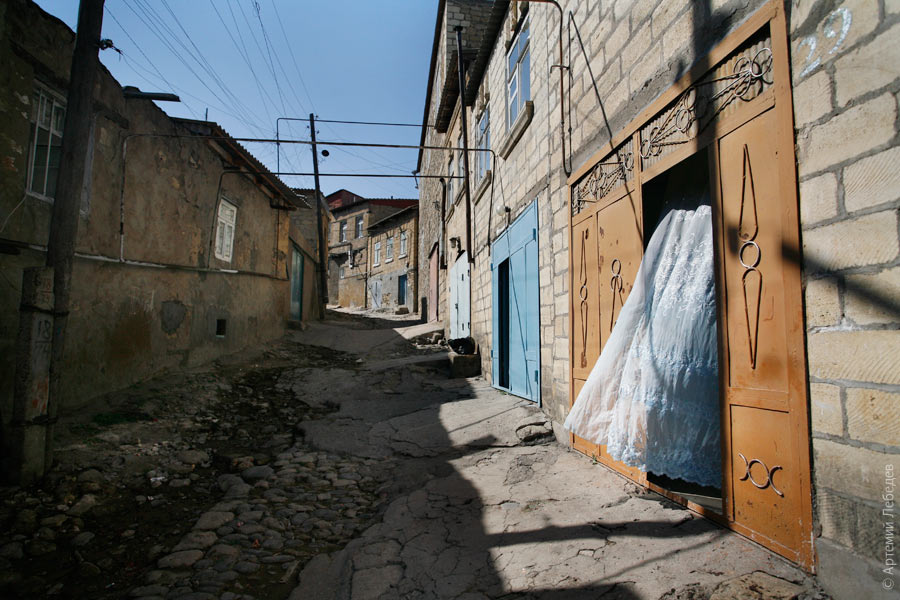 The entry fee for the fortress on the hill is 40 roubles. On the side opposite the entrance there’s a crowd of people climbing up the wall to get in for free. And on this side — just some curious visitors doing pull-ups. 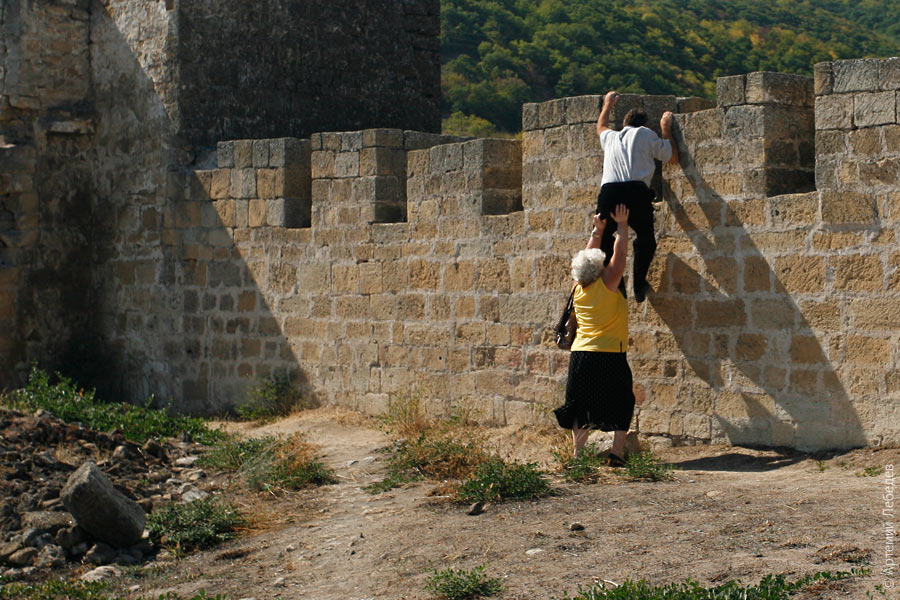 There aren’t any barriers here either: if you want to fall off an 18 metre-high wall, go right ahead. This isn’t the West with its paranoia-fuelled rules. 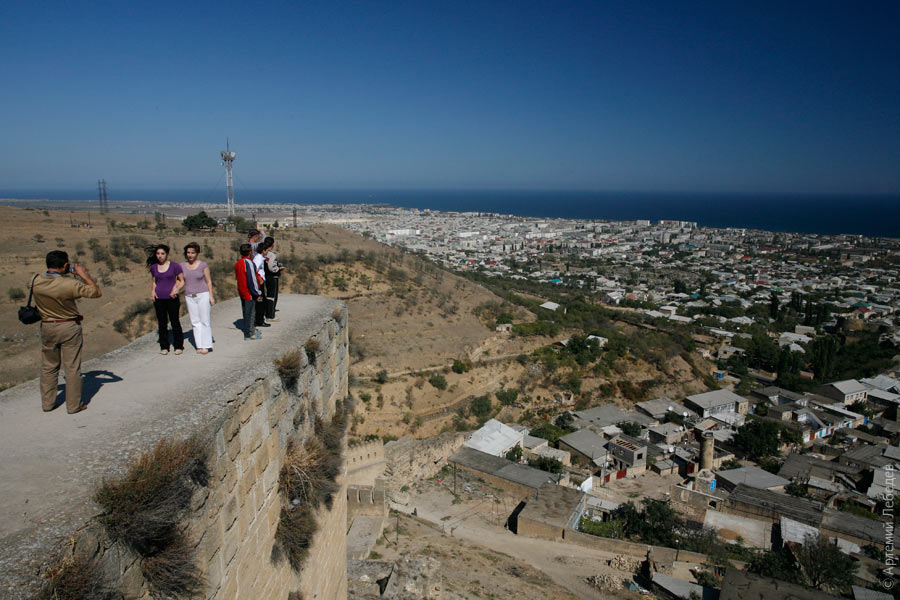 There are two large cemeteries in the city. One on the way to the fortress, overlooking the city and the sea. 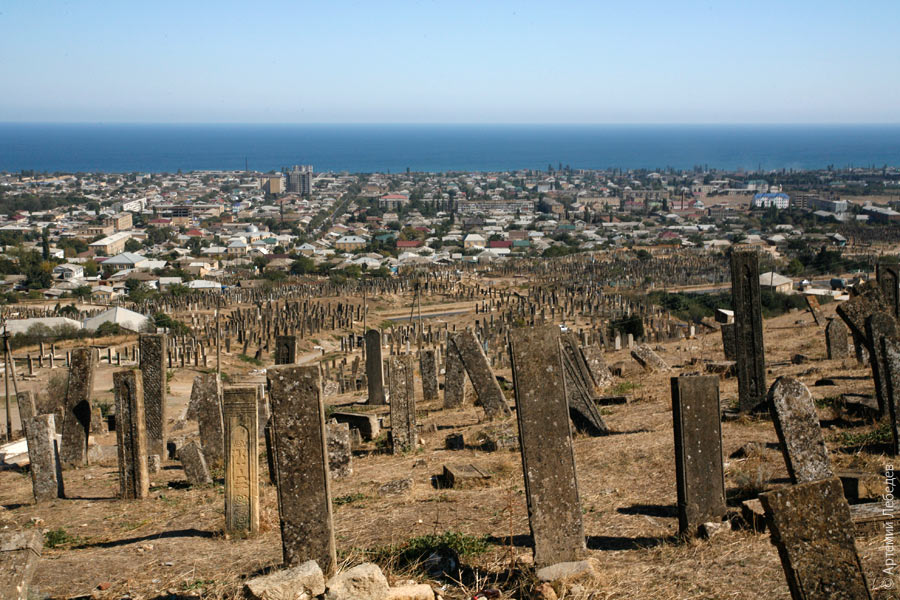 All of the tombstones are tall and narrow. It’s common practice to depict the occupation of the deceased on the headstone in pictogram form. For instance, this guy was a bus driver. 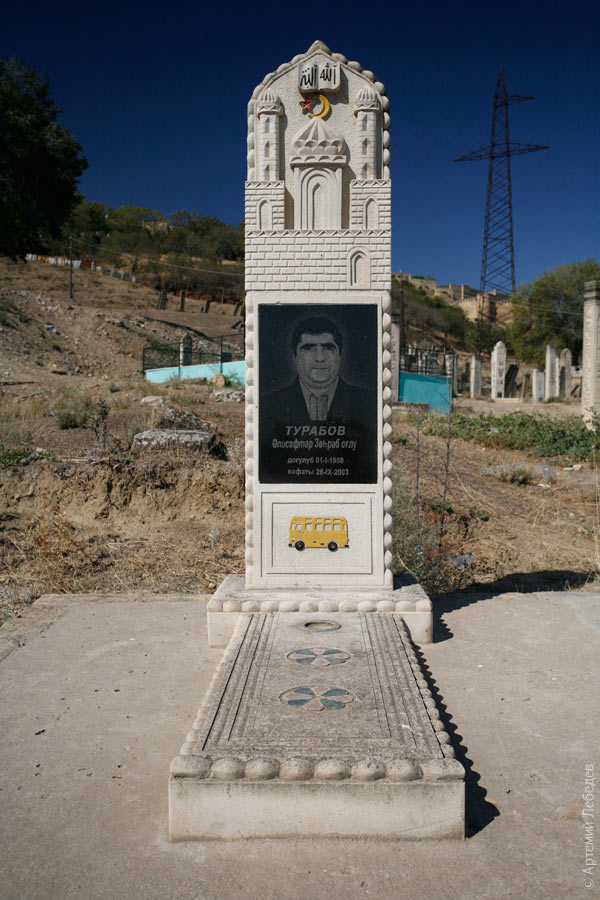 The second cemetery — bigger and more ancient — is at the other end of the city. The prophet Muhammad’s forty followers are buried here. 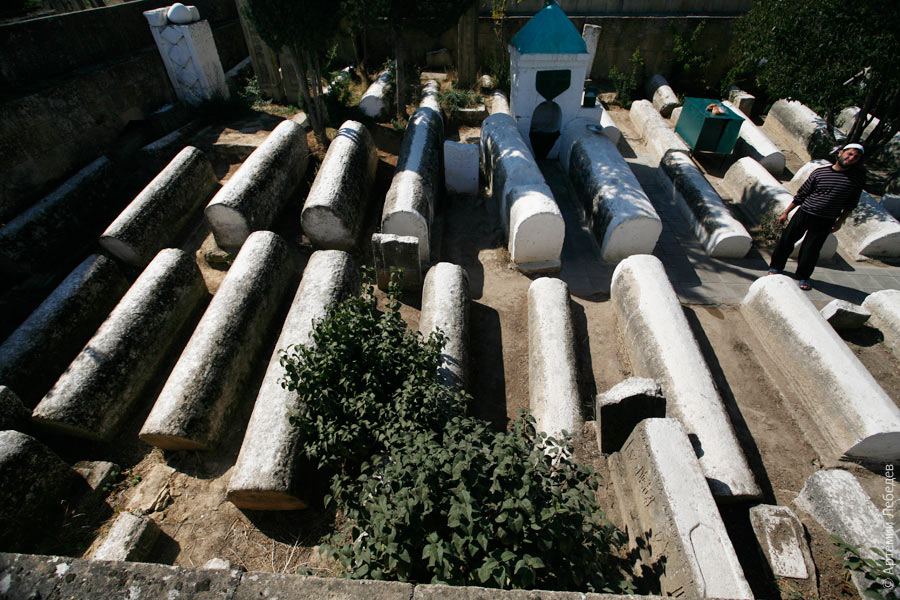 No distinction is made between the rich and the poor. This diesel locomotive train driver is buried not far from the prophet’s followers. 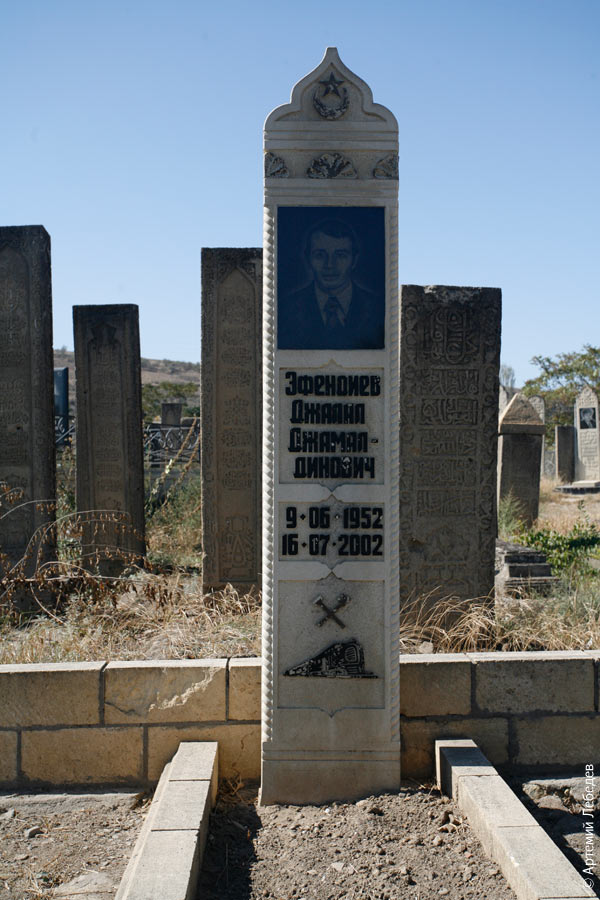 Cemetery workers engaged in unobtrusive theosophical conversations with visitors. 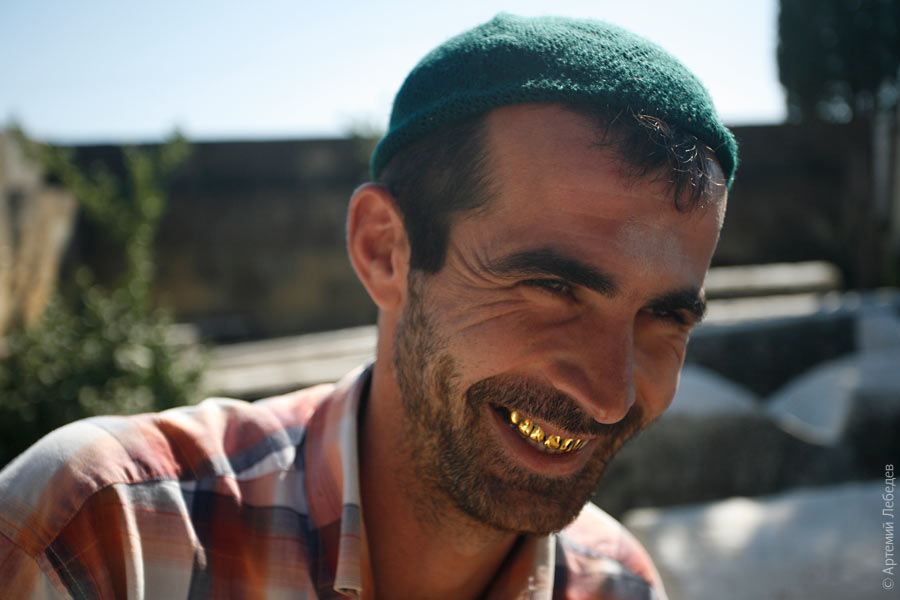 The gates in the wall closest to the sea are half-destroyed. Waste of some sort is smouldering next to the gates. When they throw more waste on the heap, it burns and the entire wall is blackened with smoke. They moved the dumpsters closer to the wall not so long ago, because they got in the way at the other end of the street. Heritage-shmeritage. At least this way it’s more convenient for the rubbish collectors. 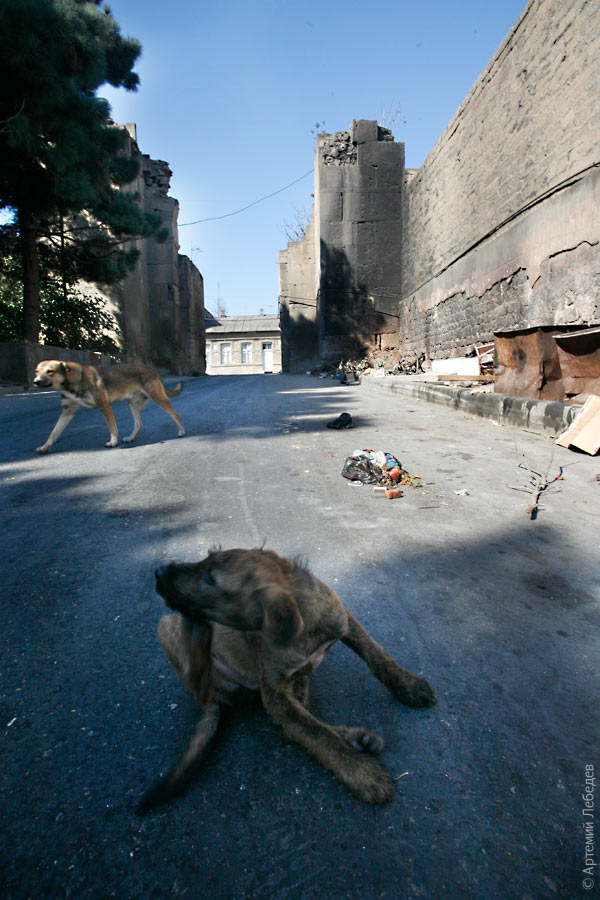 It is entirely unclear why Derbent is not a cultural must-see for all foreigners. There aren’t any tourists here. It’s also unclear why they didn’t teach us about Derbent at school. AkhtyMapAkhty is a little-known village far away from any major cities. The rarest of specimens has been preserved here — a bridge built by the engineers Geors and De Bernardi in 1915. 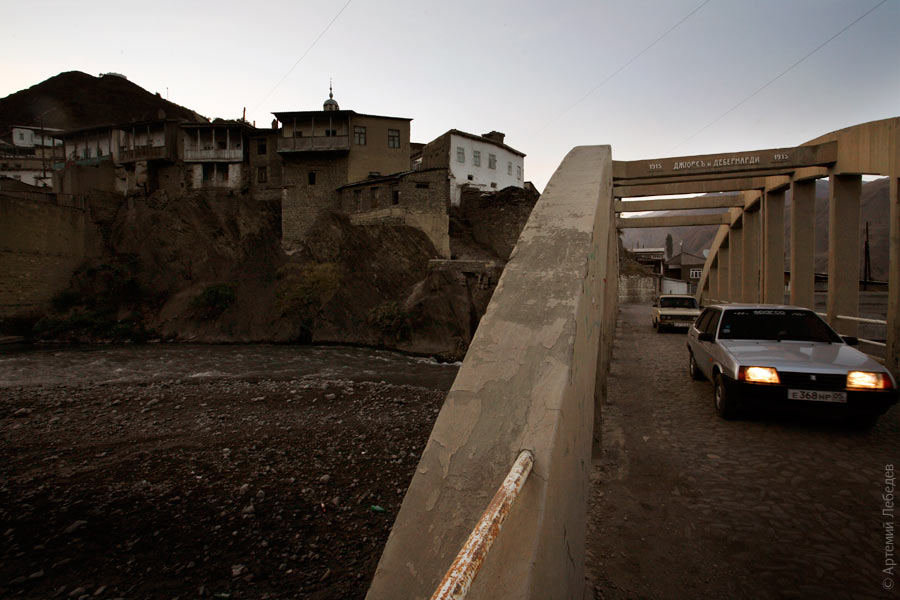 Another interesting Caucasus quirk— they really like the “No 1” sign here. This is not an ordinal number, rather it’s a synonym for “the most”, and it’s on anything and everything. Even on this petrol station, which, it goes without saying, you won’t find in Russia. 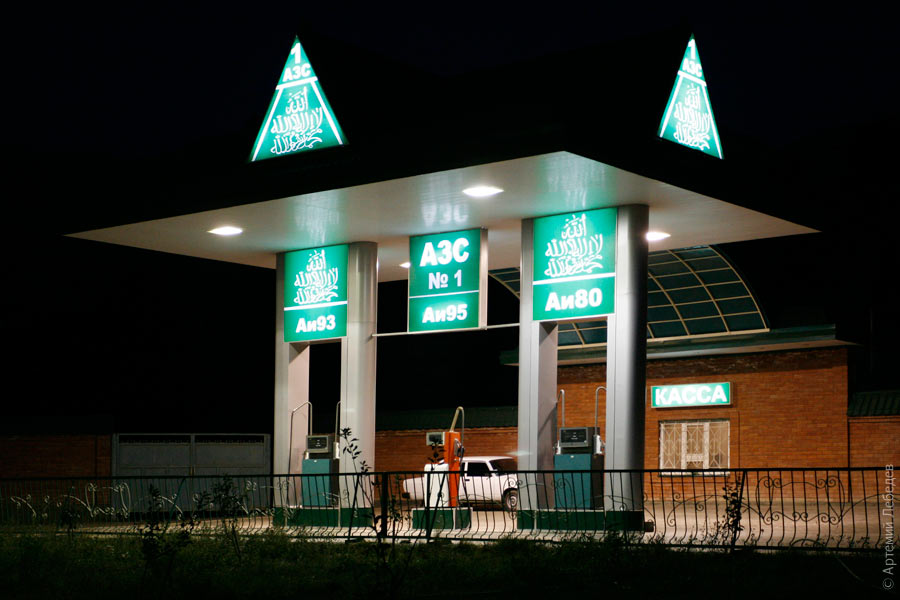 |
