CauKazEthnoexp. XI. Elista and Astrakhan
August As we left South Ossetia and crossed the border into Russia, we were greeted with a demand for a bribe to avoid having our car and belongings treated with vile chemicals. The decontamination procedure officially costs 50 rubles, but you have to pay another 200 in order to skip it. After that, the ethnographic expedition had lunch in Vladikavkaz and continued on its way. During the first two hours of the trip, we constantly encountered various checkpoints where gruff men in military uniforms would tell us how difficult their life is and how the news on TV never report most of the armed attacks on policemen and military officers. We got to Elista in one go. ElistaMapEverything is pretty awful in Elista, as it turns out. The city and atmosphere are surprisingly reminiscent of Kyzyl (one of the most dismal cities on Earth), even though it’s on the other side across from Kazakhstan. 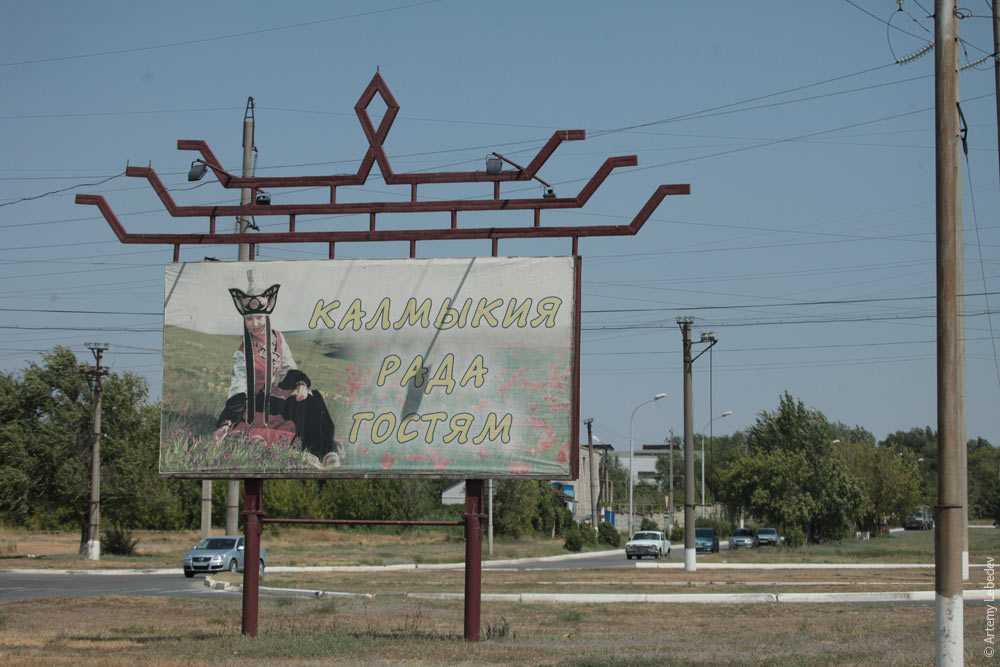 Kalmykia welcomes its guests I knew that Elista is the capital of chess and was convinced that it’s a modern city with skyscrapers and a chess university downtown. If the reader had illusions similar to mine, allow me dispel them with a small diagram. 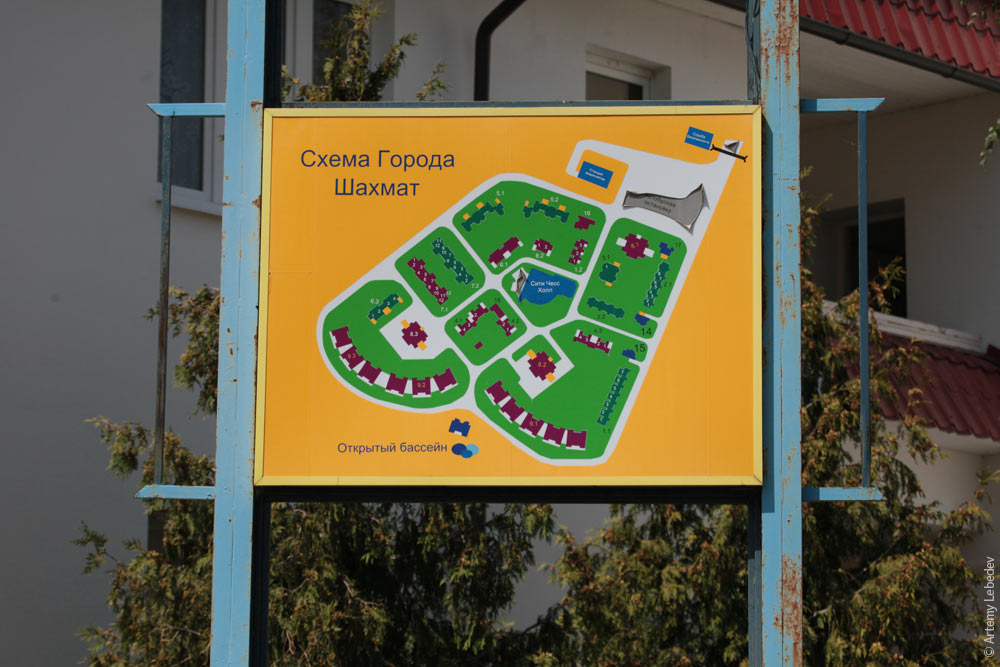 Layout of Chess City. City Chess Hall. Outdoor swimming pool It turns out that “City Chess” is just a small settlement on the edge of the city, consisting of little houses, which all together could be described as an elite Kalmyk village. There are also several giant chess pieces here that resemble high-voltage transmission towers. 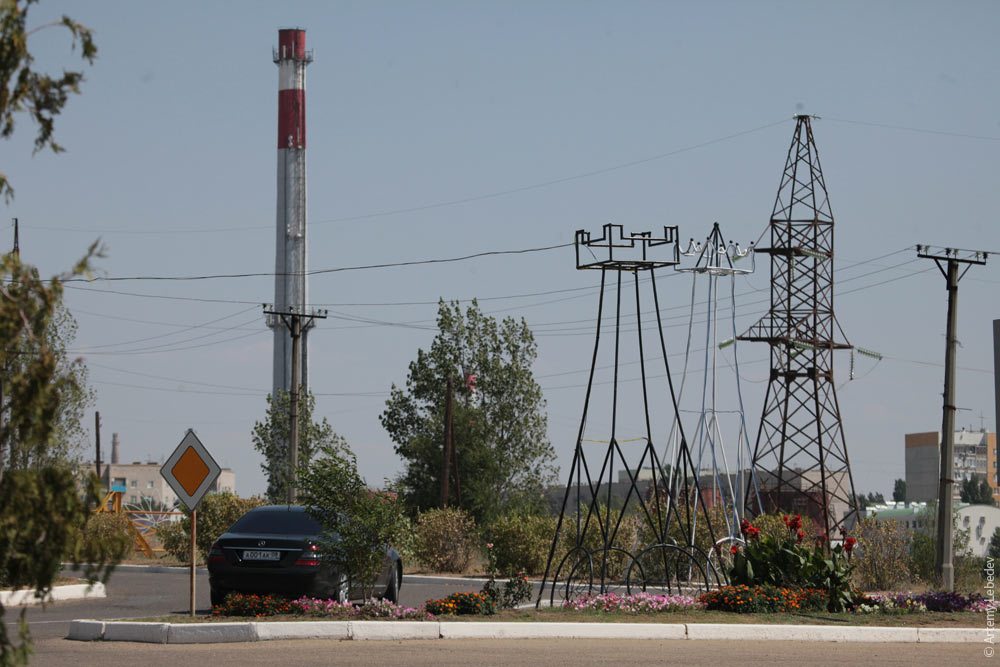 The street which passes by the settlement is called Ostap Bender Prospect. (Ostap Bender, a smooth-talking con man, is the protagonist of the famous Soviet satirical novel The Twelve Chairs by Ilya Ilf and Evgeny Petrov. In one episode in the novel, he collects money from gullible members of a chess club in a small town, promising to organize an international—possibly intergalactic—chess tournament that will bring wealth and fame to the town and make Moscow pale in comparison.) There’s also a monument to Bender located right nearby. It all looks a bit strange in the middle of the steppe. 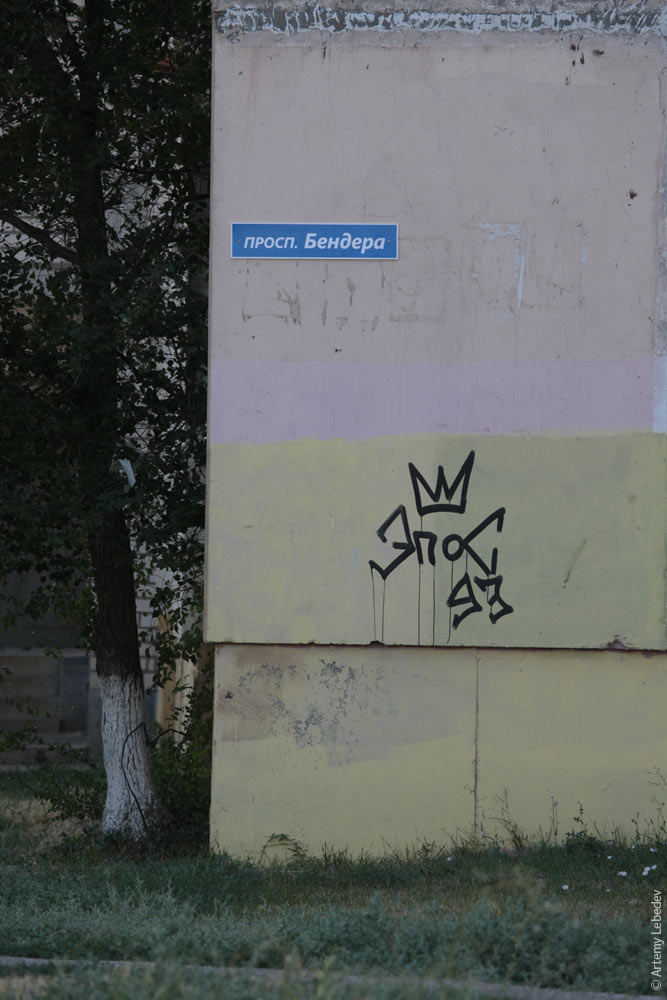 And so that’s what life looks like in Elista—chess and Buddhism. 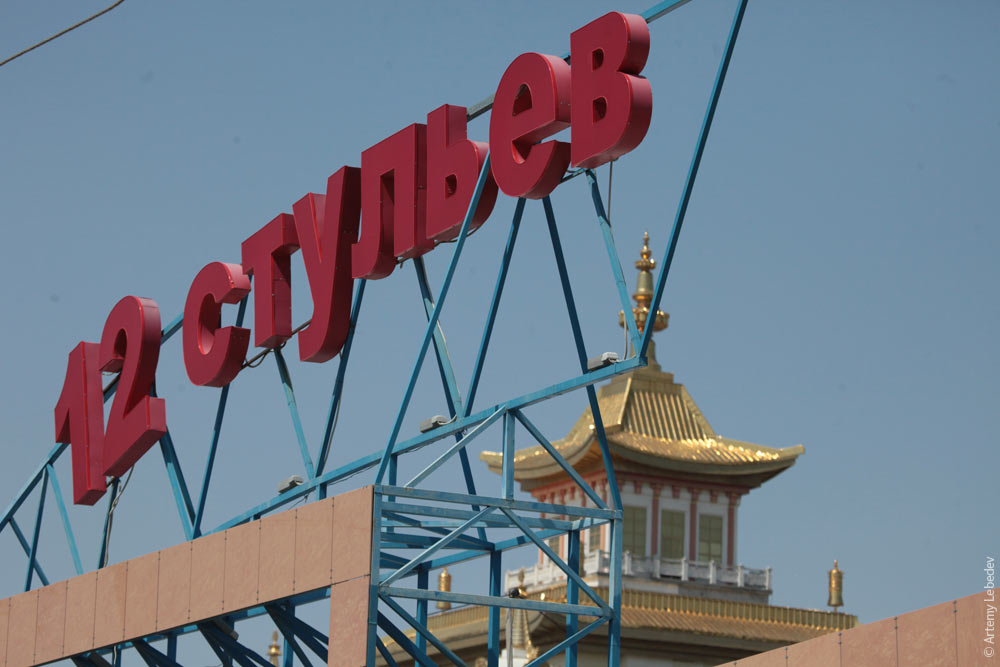 12 chairs Buddhism and chess. 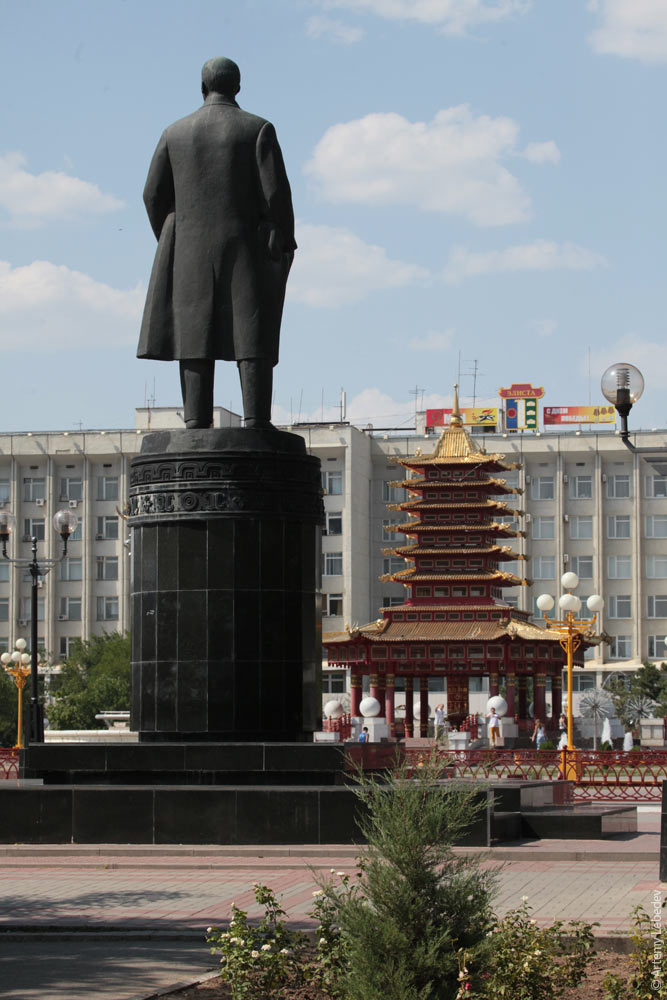 A post for flyers. 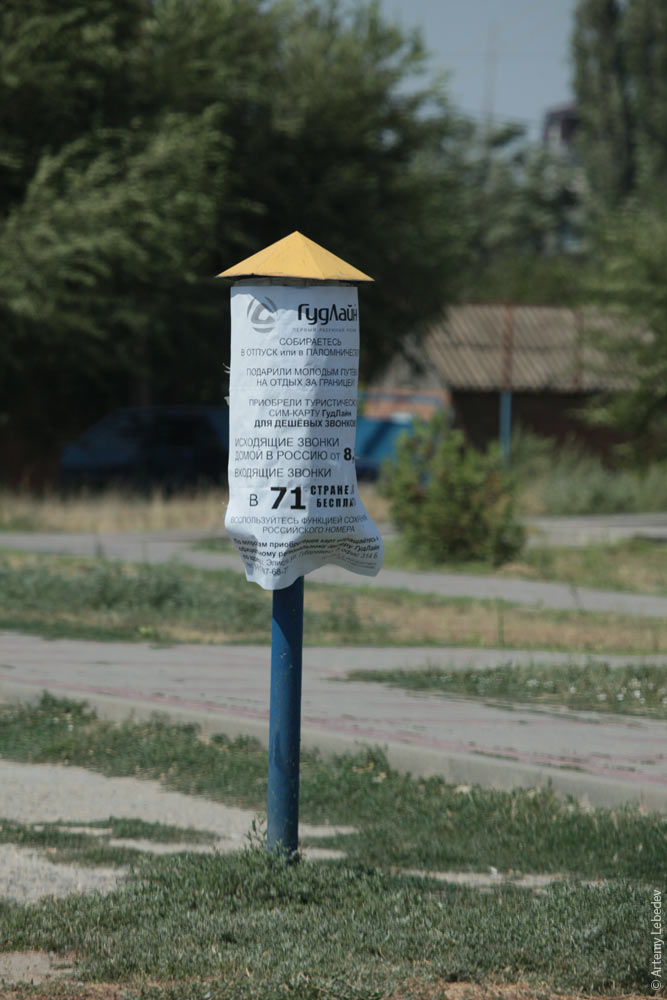 GoodLine. Going on vacation or a pilgrimage? Have you given your young ones a vacation abroad as a gift? Have you acquired a GoodLine tourist SIM card for inexpensive calls? Outgoing calls home to Russia starting at 8 rubles. Incoming calls free in 71 countries The only vertically attached street sign in the world. 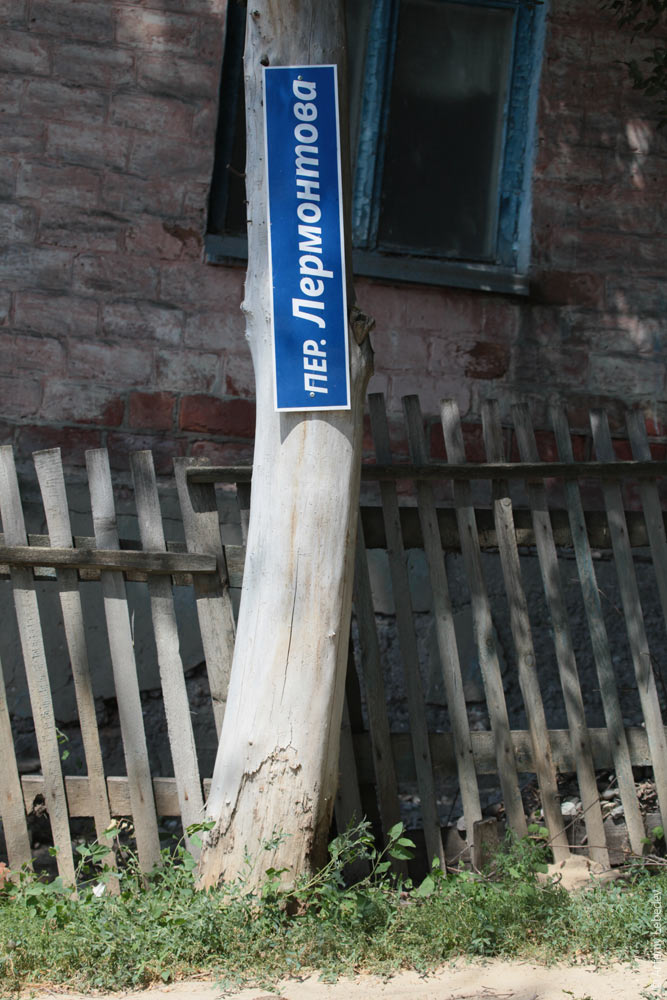 Lermontov Lane Elista has two unique, inimitable characteristics. Super-dense groves of posts along the sides of the roads. 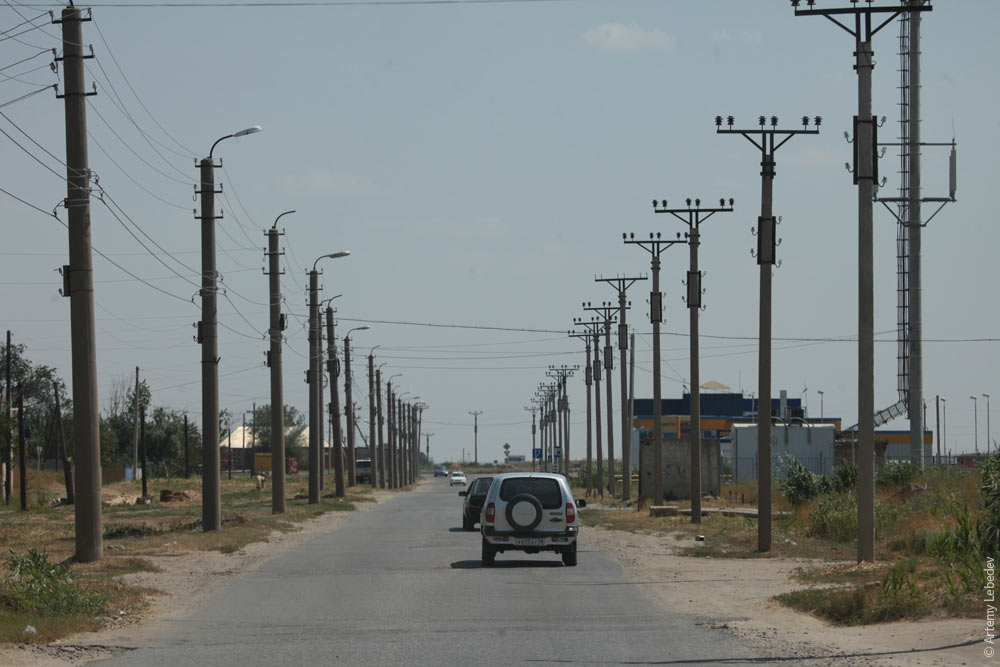 And odd square brick patches in the middle of the roadways. 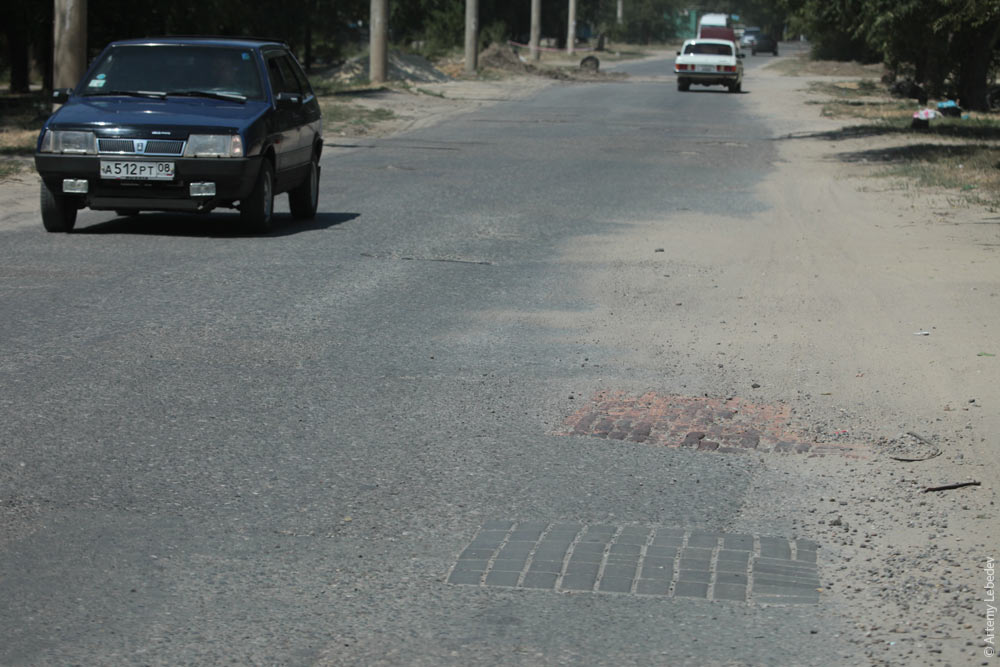 Unfortunately, there’s nothing else here. 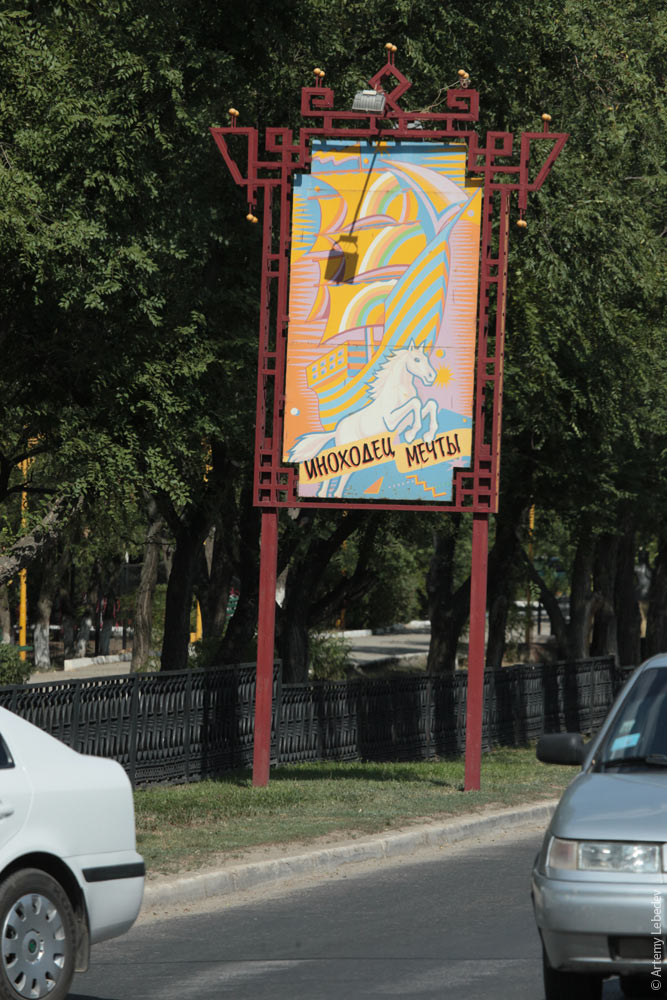 Dream pacer So we get in our cars and drive to Astrakhan. 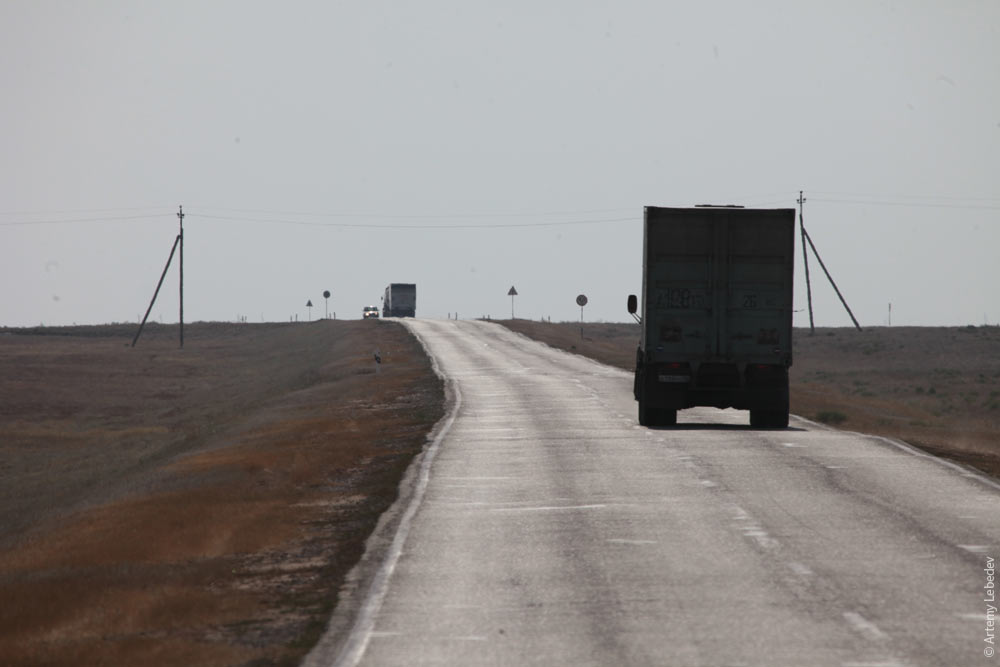 AstrakhanMapAstrakhan. 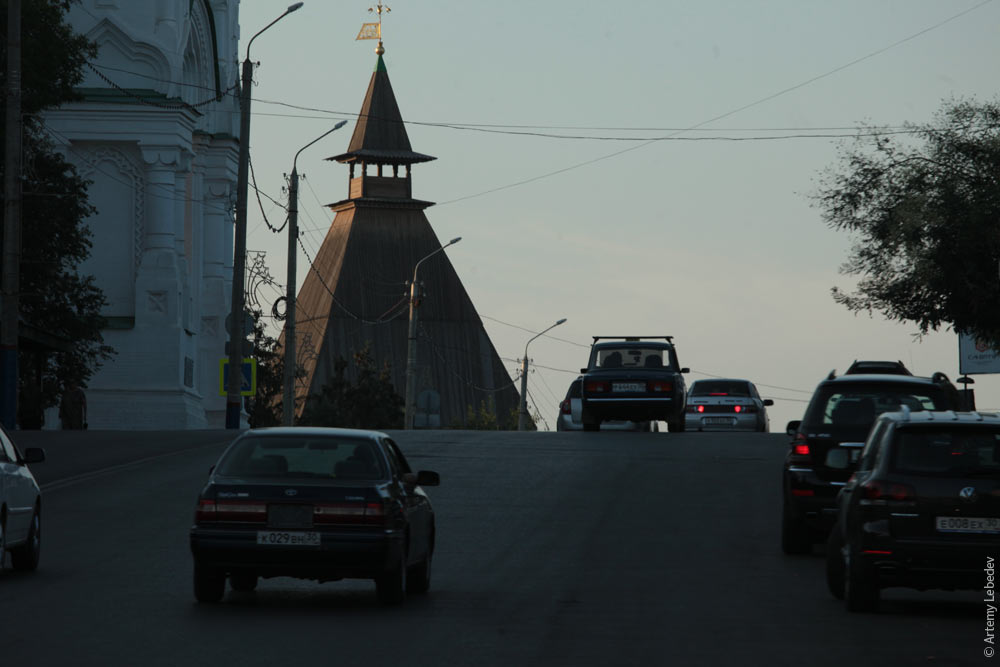 A city of incredible beauty. 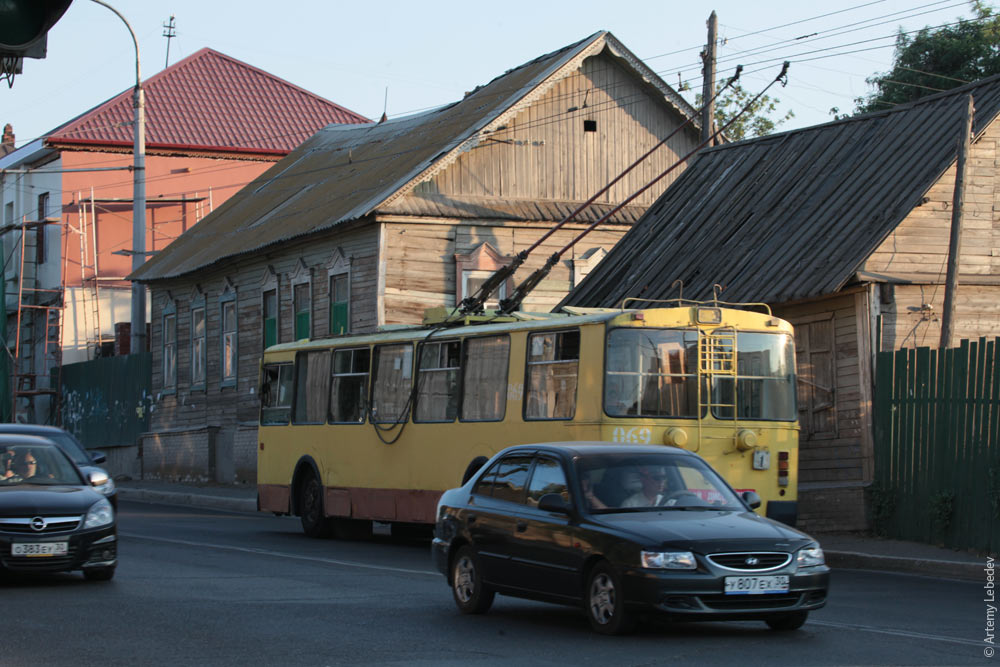 Ancient. 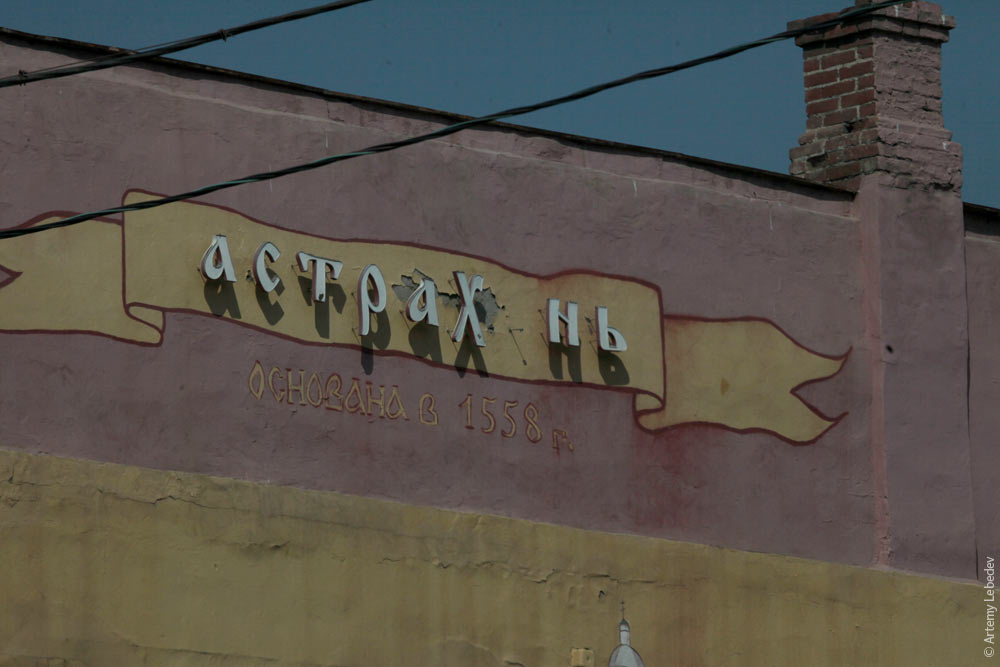 Astrakh n. Founded in 1558 Ornate. 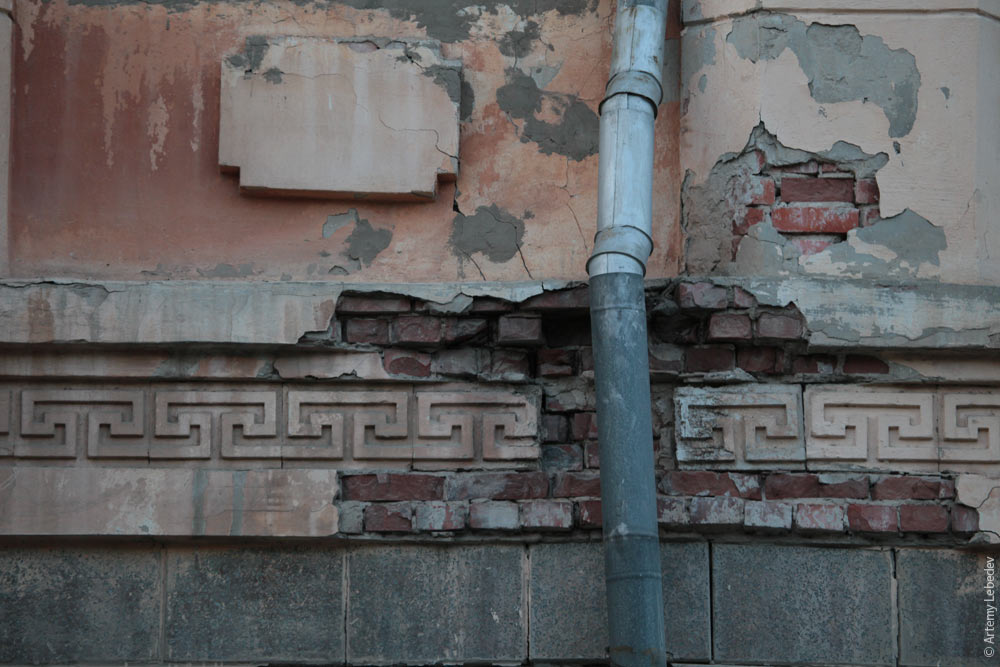 With its own special energy. 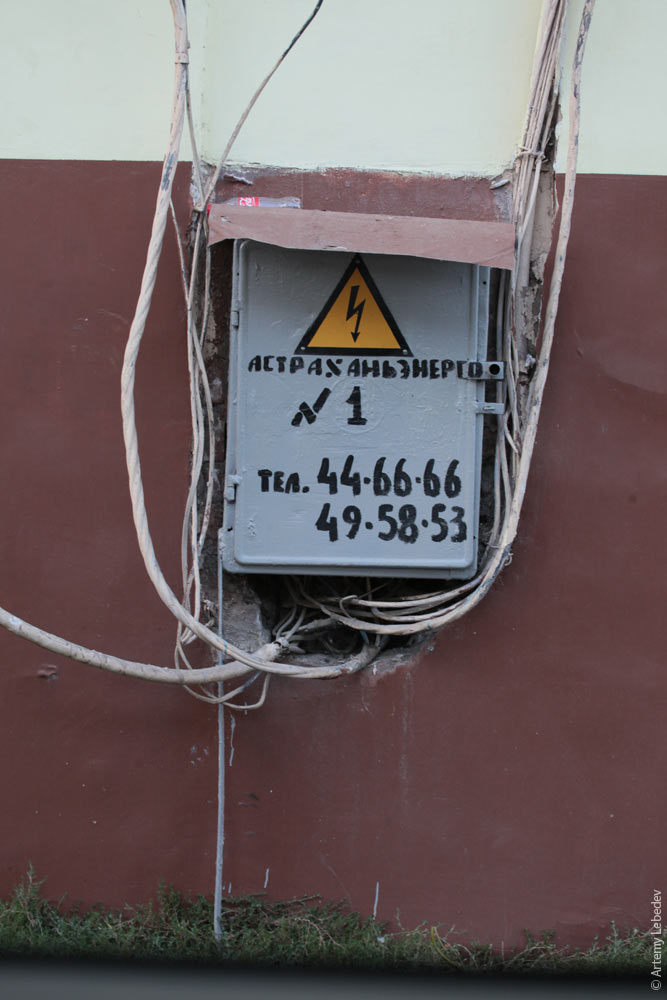 Astrakhanenergo With its own internal dialogue. 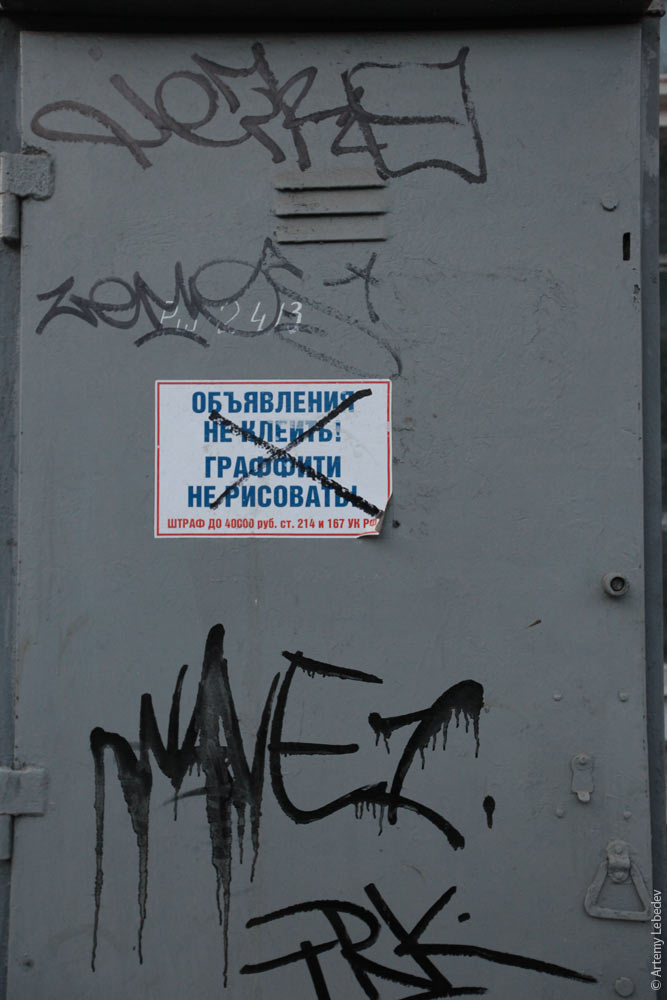 No Flyers! No Graffiti! Fine up to 40000 rub. Art. 214 and 167 of the Criminal Code of the Russian Federation With its own climate. 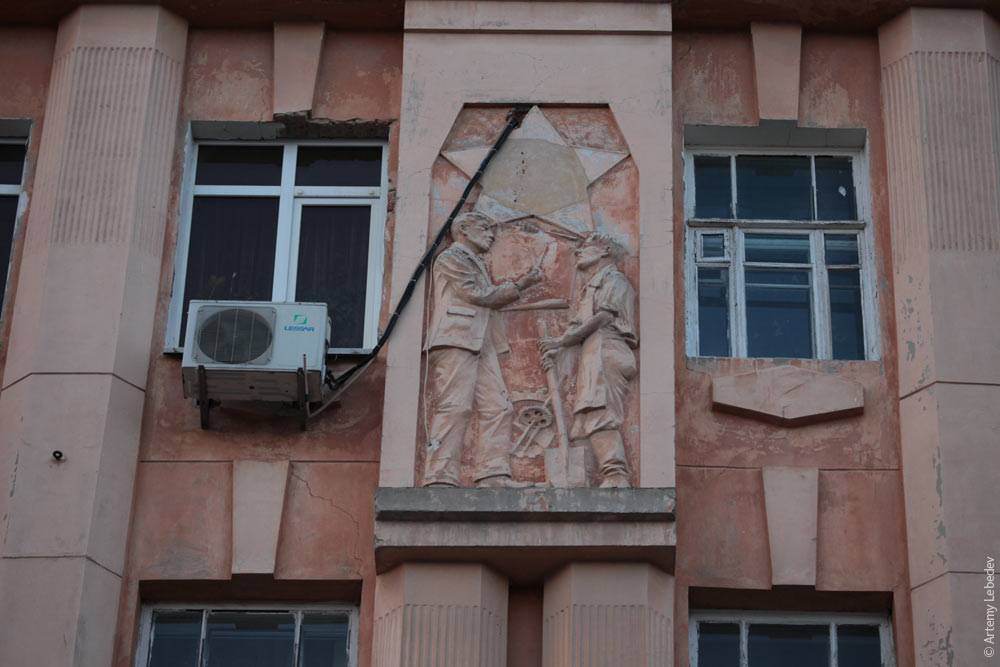 With pretty trash dumpsters. 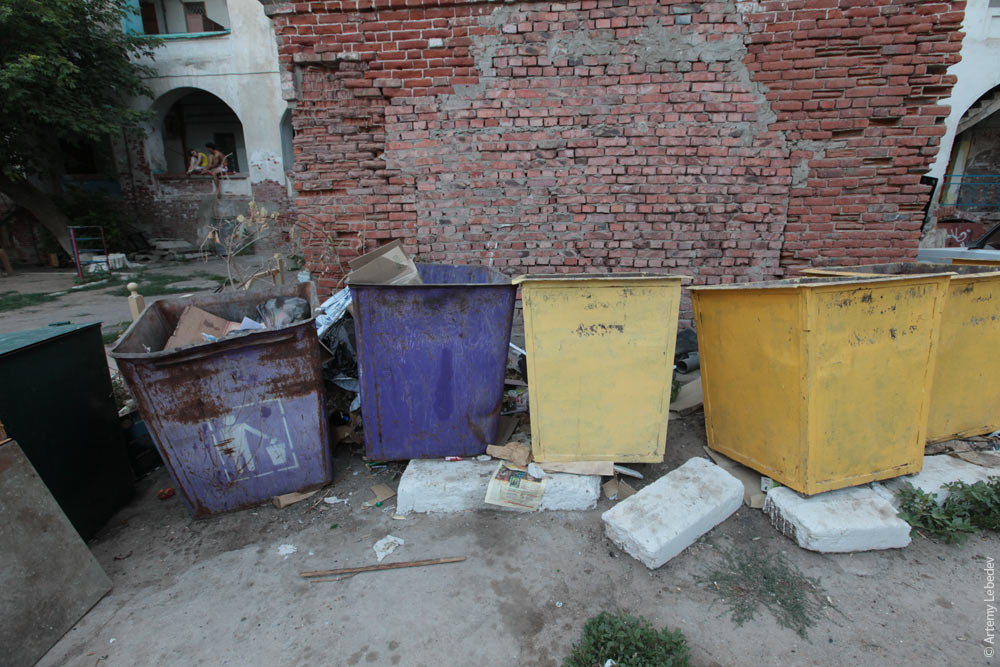 With trash cans. 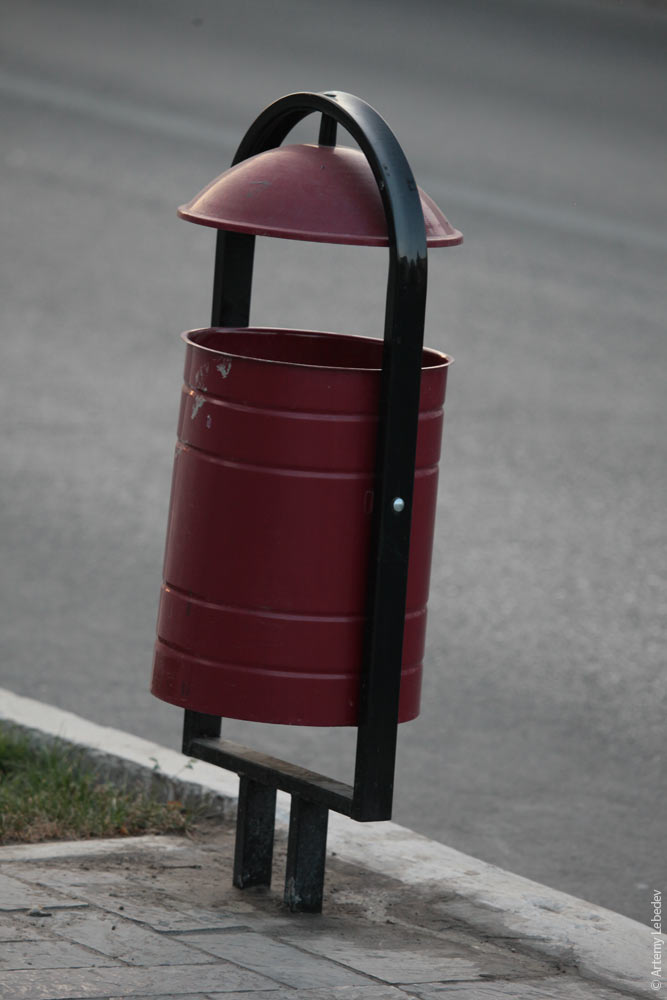 By the way, buildings with trash chutes have rails for the trash dumpster on the ground floor, like in Kaliningrad. This way, the dumpster can slide along the rails straight to the garbage truck. 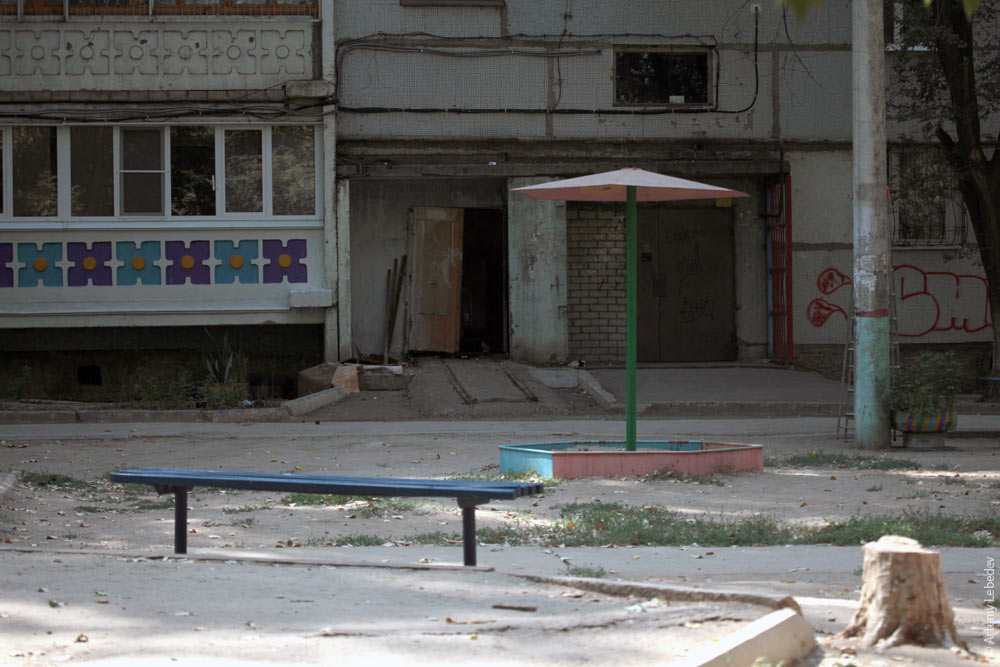 The bases of all the street posts in the city are painted blue (except for one part of the city, where they’re painted green). 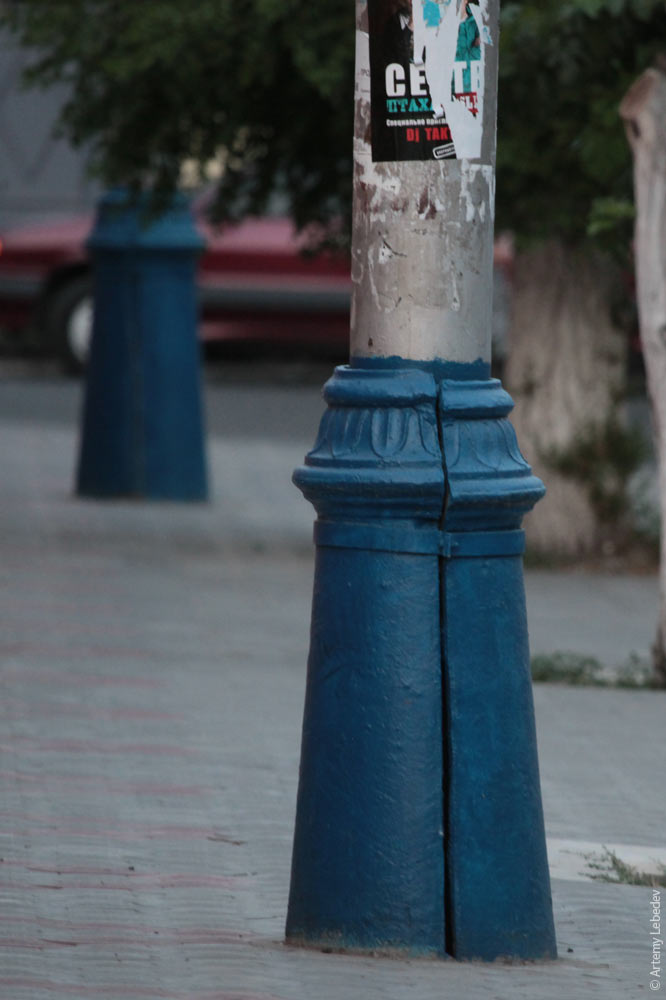 Photo 4: For Sale. Tel. 8964886225 The ancient inns where merchants used to stop on their way from Asia to Europe are still here. 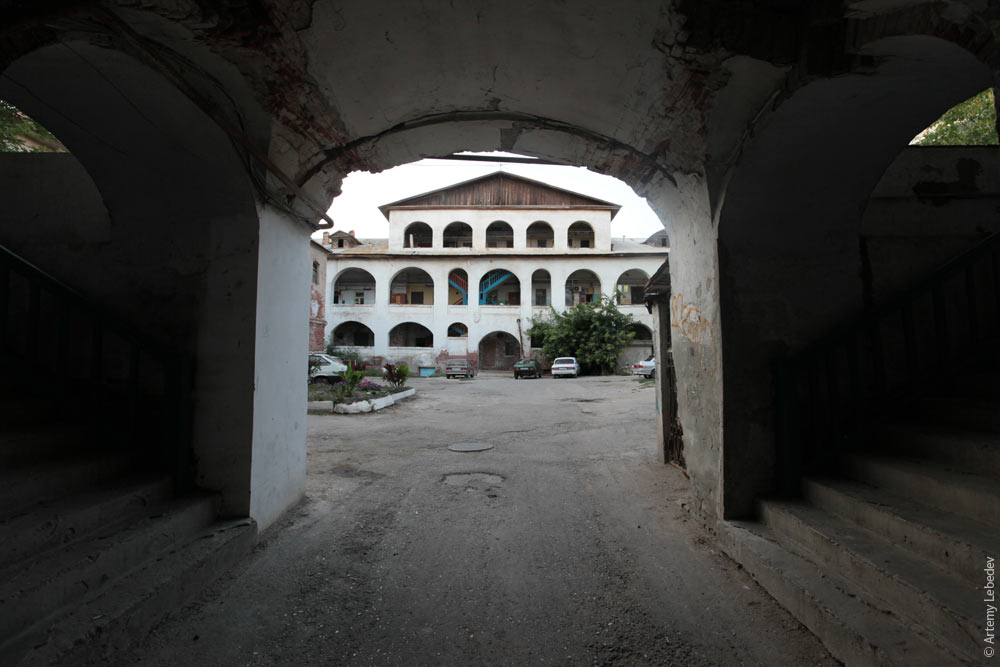 Today these former inn complexes resemble communal apartments in Odessa more than anything else. An interesting detail: tenants still keep their belongings in chests which sit out in the passageways. 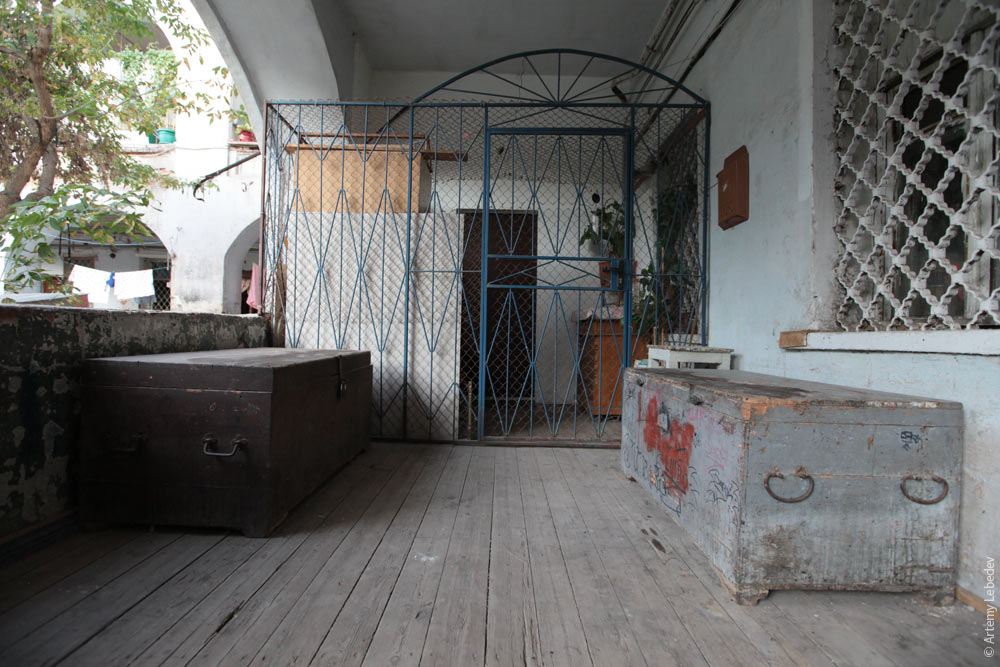 Photo 2: Volgars. Spange Bob The funnels of rainwater drain pipes are ornately decorated, as befits an ancient Russian city (see Plyos, Ganja or Gyumri). 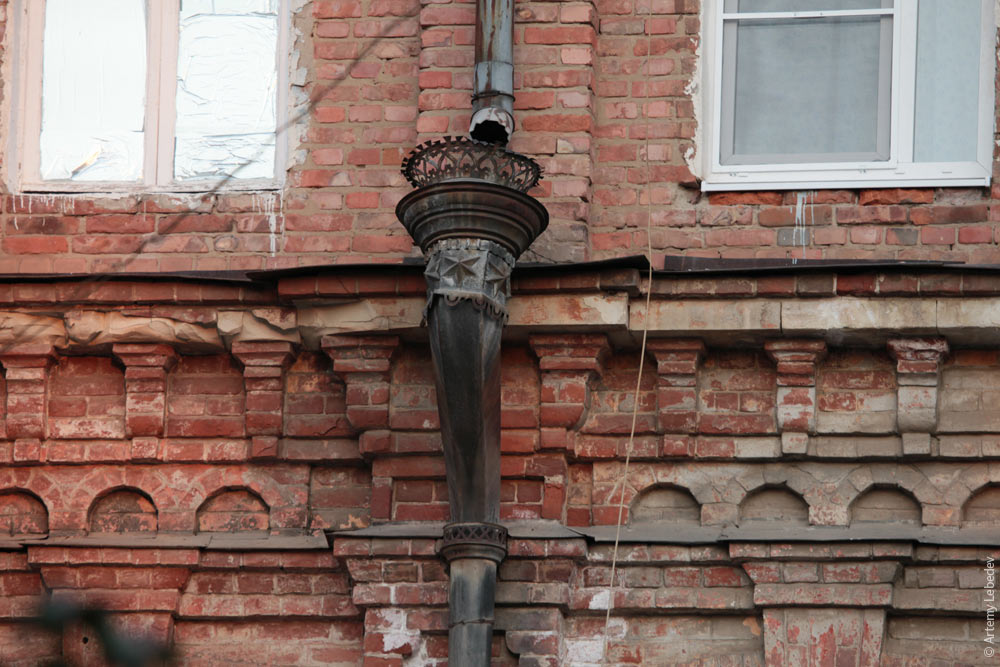 Photo 3: 38 Uritskogo St. There are also incredibly beautiful old cast iron balconies, attached to buildings in unexpected places. 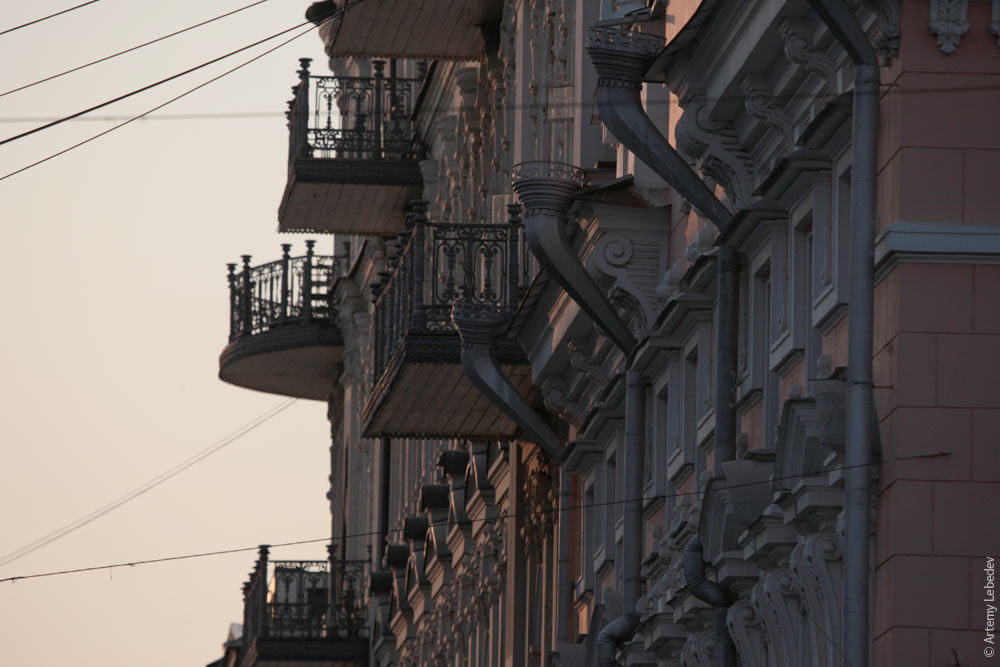 Another detail that’s similar to Odessa: lists of occupants’ names on building facades. 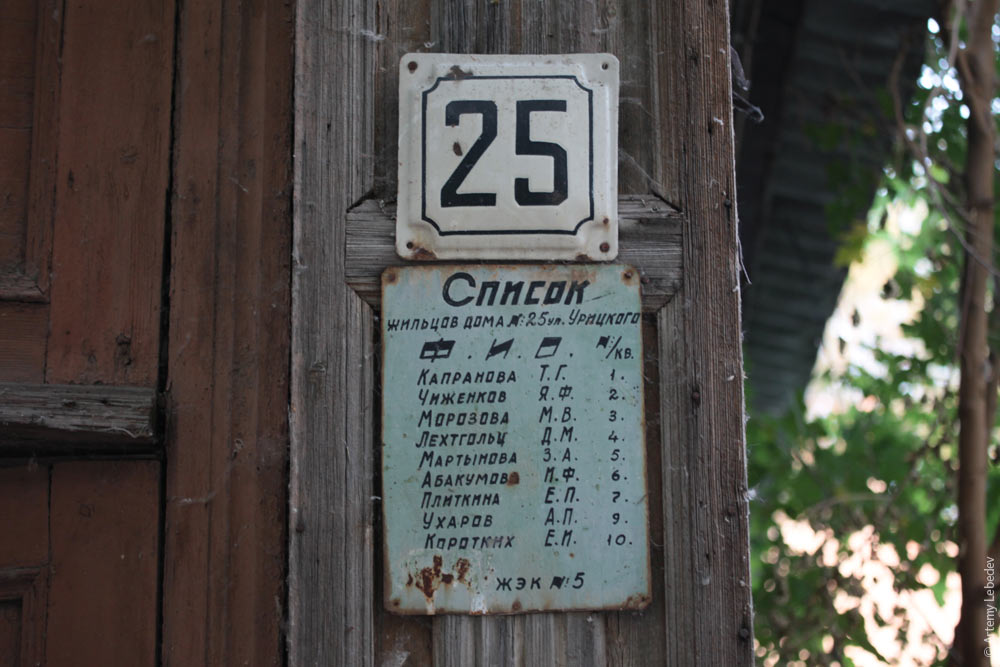
Photo 1: List of occupants at 25 Uritskogo St. Last Name, First Name, Middle Name, Apt. #. Housing Office #5. Photo 2: List of occupants at ... Uritskogo St. Photo 3: Chief sanitation officer for Post boxes here are freestanding, like in Vladimir or Ufa. 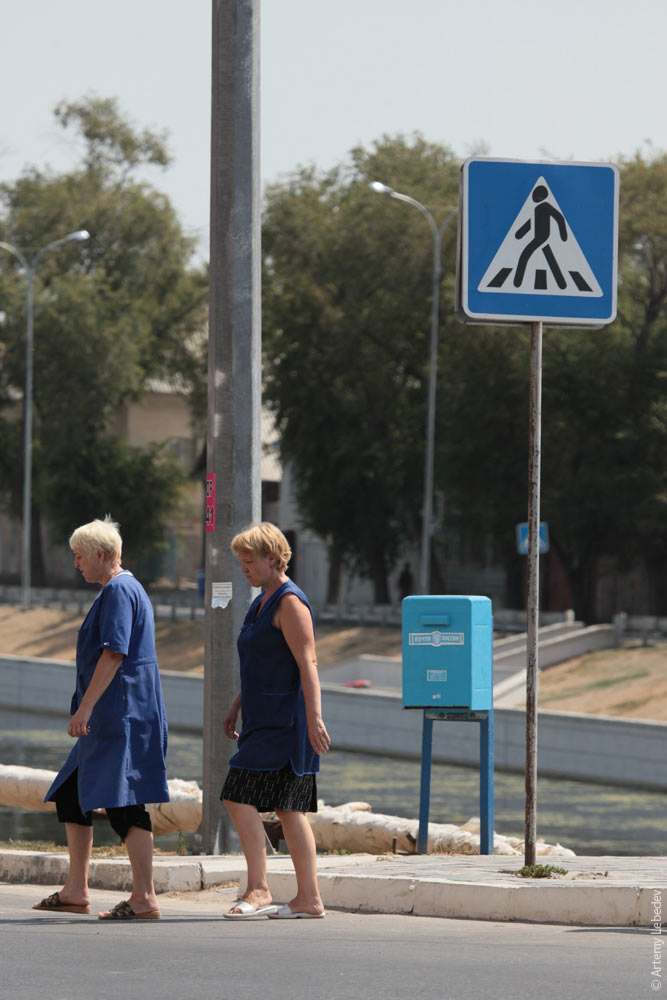 Every available surface is covered with ads for tow truck services. There seems to be a competition for whose phone number is easiest to remember. 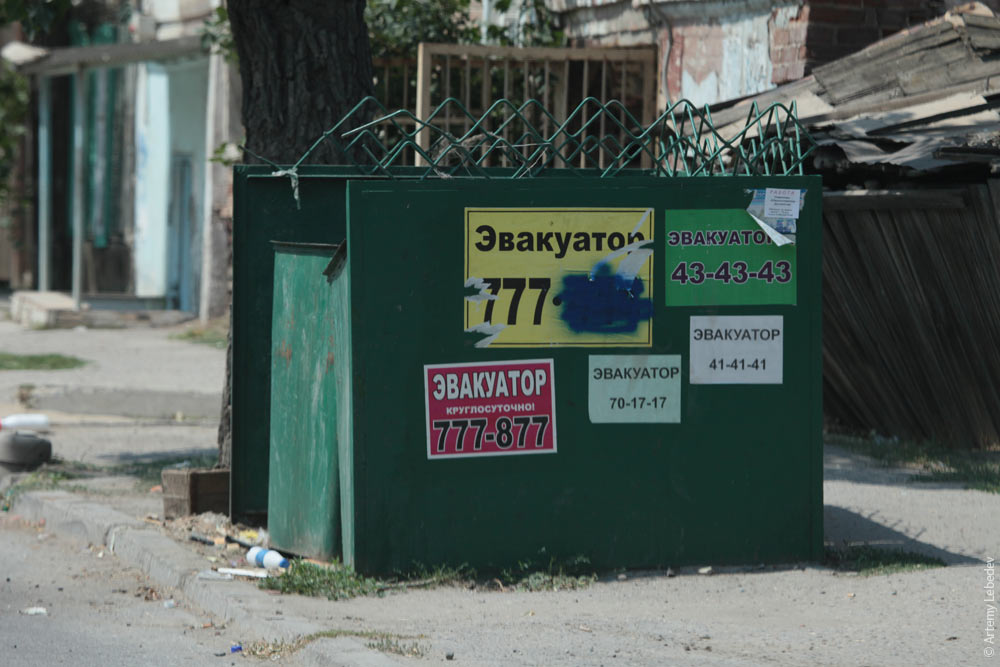
Photo 1: Towing. 24 hours! Photo 2: Volga-Volga Hotel. Towing Electrical towers are lit up like Christmas trees at night. 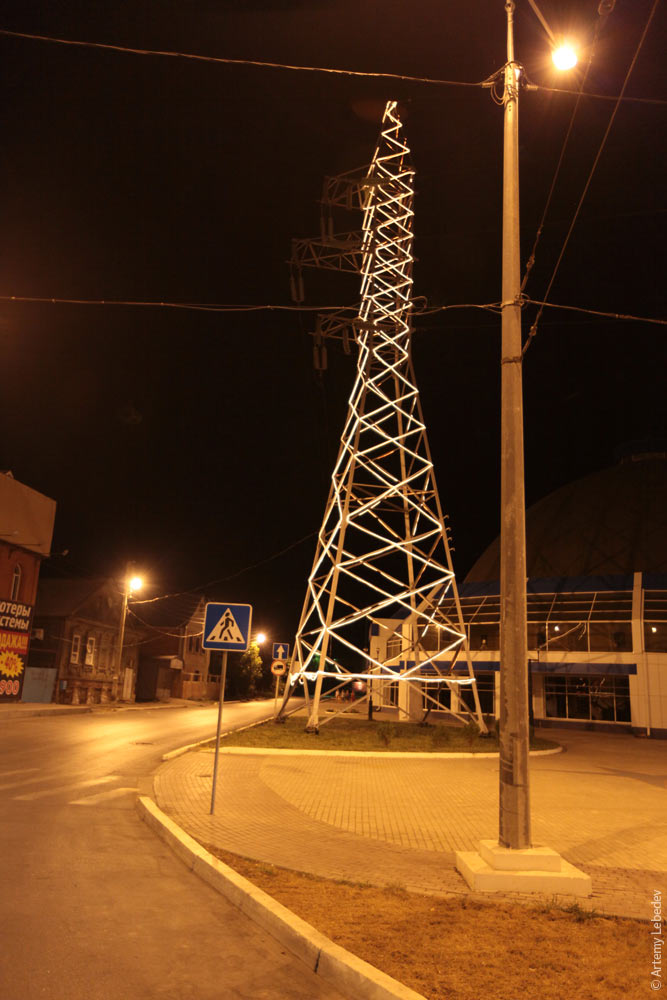 Contrary to contemporary Russian principles, power lines are often suspended directly from the walls, like in Uruguay or Uzhgorod. 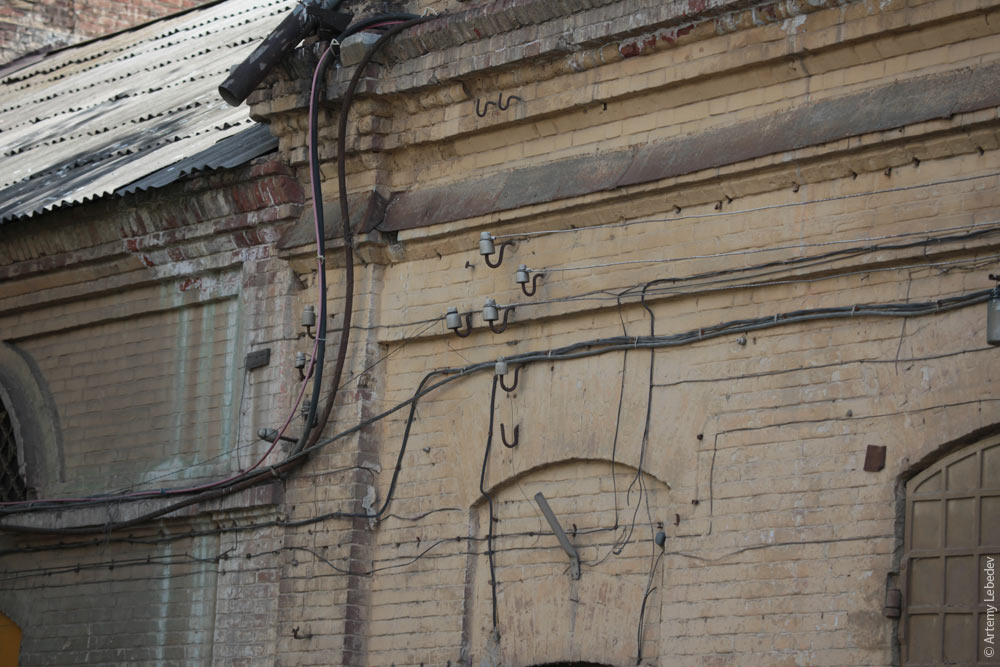 Astrakhan traffic lights have earned their own special poles, which resemble a horizontally distorted letter P. 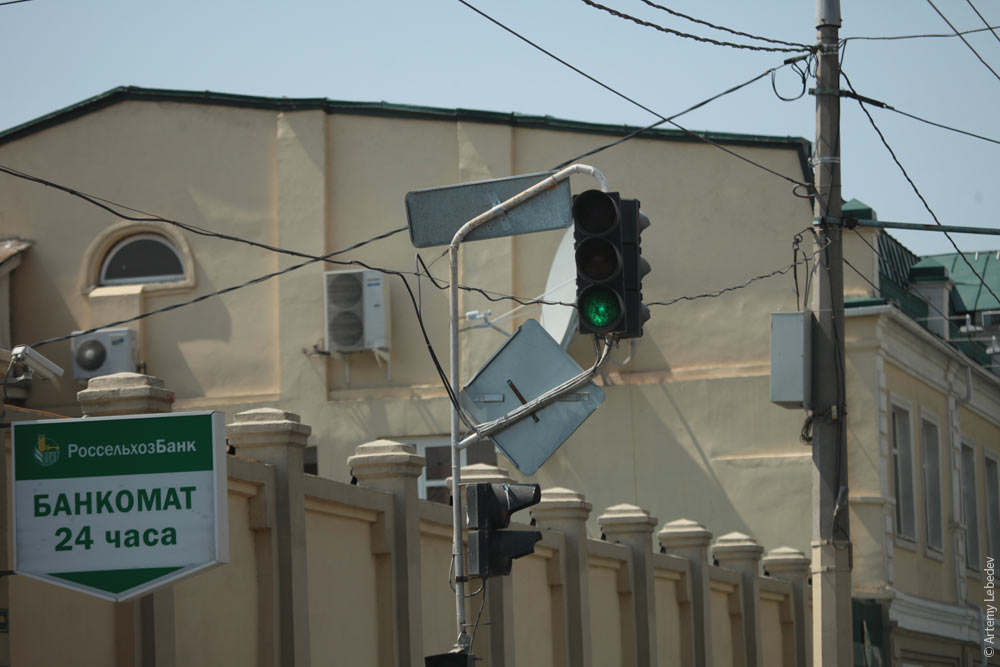 Another unique local feature: stop signs on traffic lights. There are two kinds of stop signs: one has black letters on a white background and is an informational sign, hung on traffic lights to indicate the spot where vehicles should come to a stop. The other one, with white letters in a red octagon, means that you have to stop here and look both ways no matter what. Although in this case a yield sign would be completely sufficient. 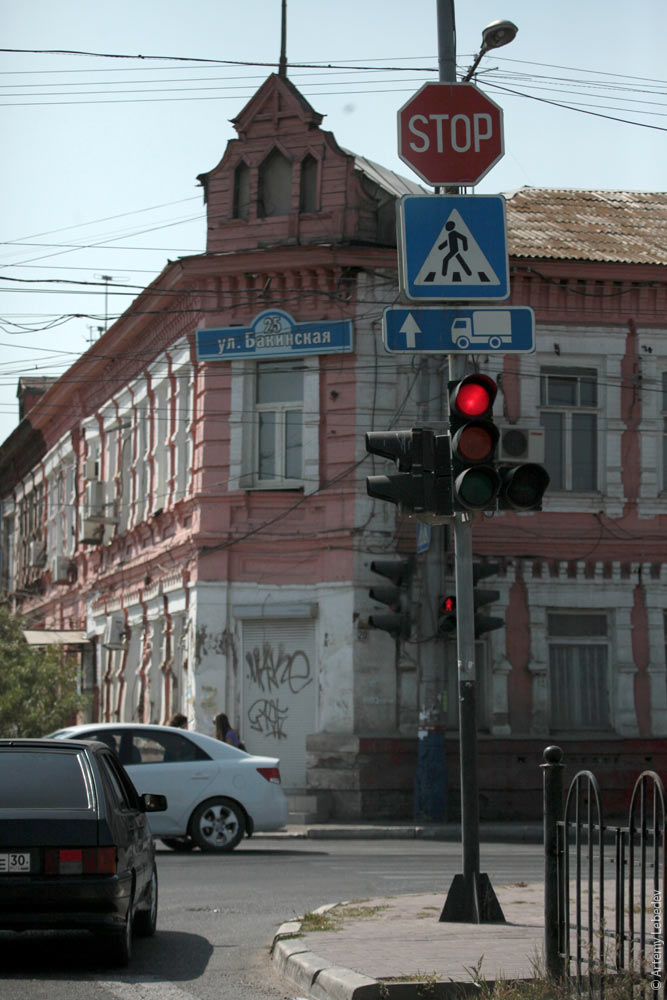 Pedestrian traffic lights are hung at the same level as vehicle ones, which leads to confusion. 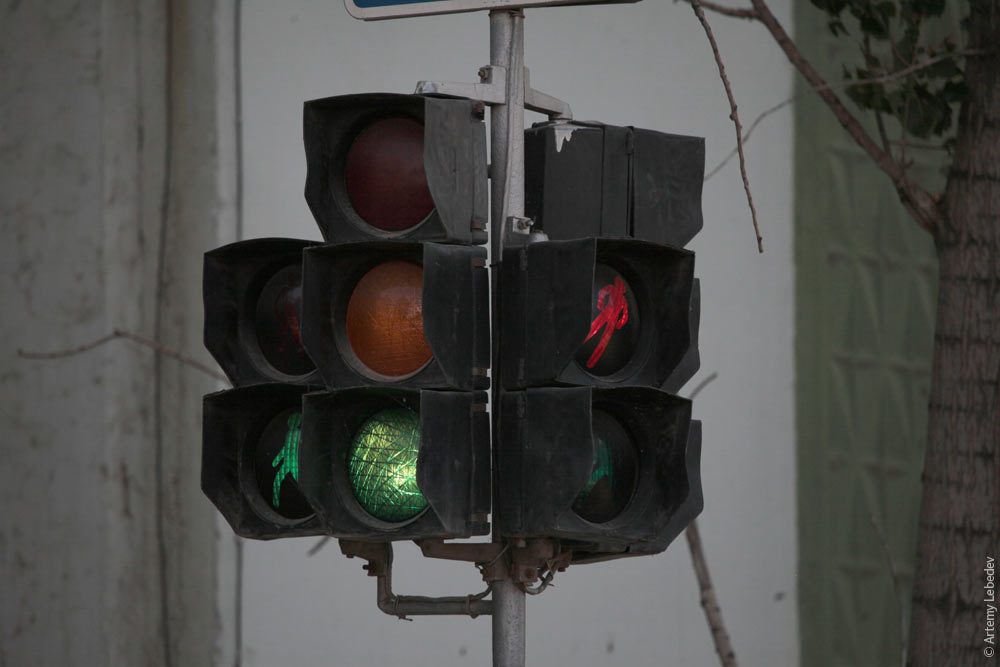 This is what it’s like. 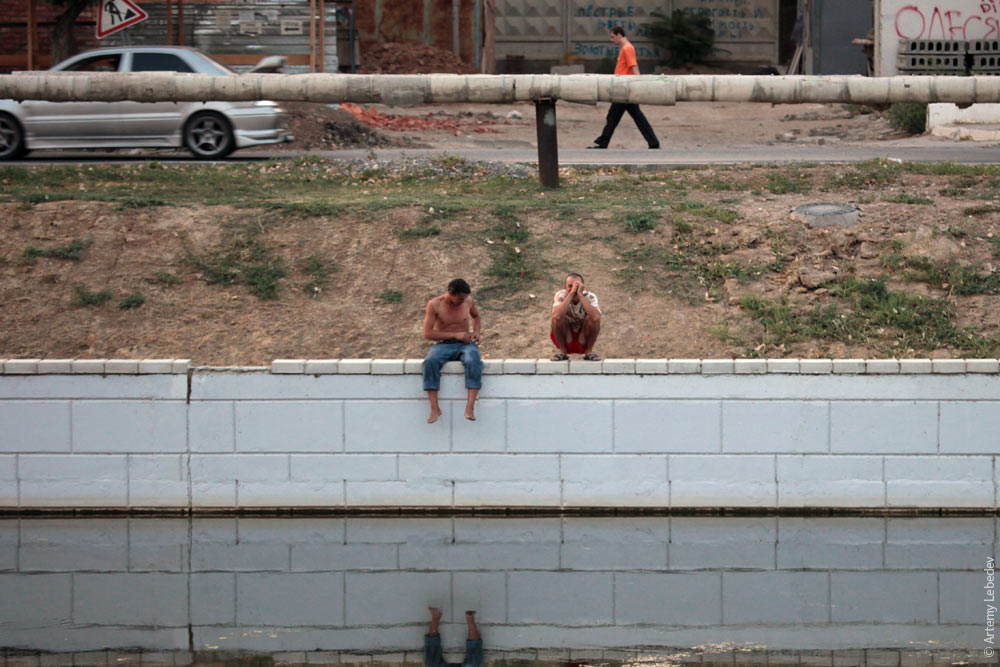 Astrakhan. 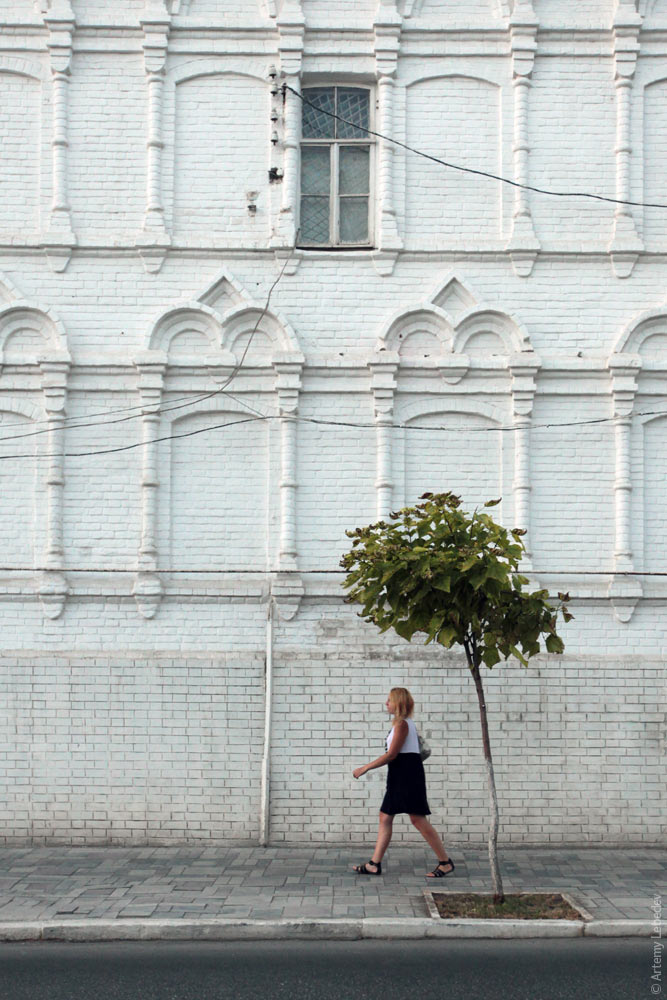 At this point, we had to abandon our second vehicle—which had supposedly been repaired in Yerevan—at an auto repair shop. It turned out that the Armenian mechanic had done absolutely nothing, although he had beat his chest and demanded the phone number of the Moscow mechanic so that he could tell him exactly what he thinks about the previous repair job. This combination of total incompetence and a painfully over-inflated ego is very typical for the Caucasus. The camera crew transferred aboard Coucousique. The Kazakhstan border is a stone’s throw away from here. 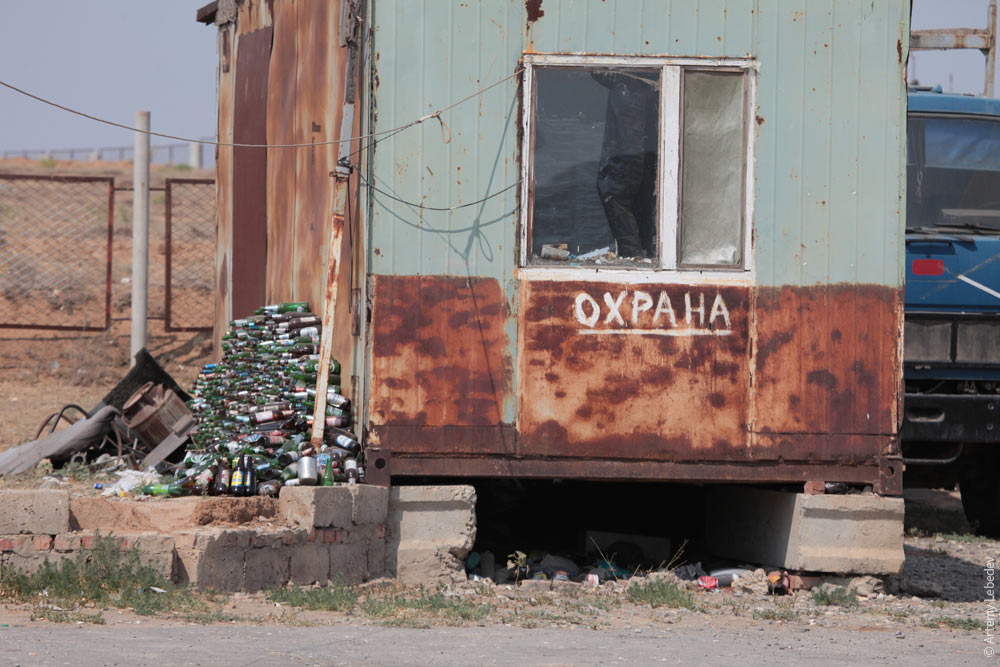 Security This is where the Cau of the Ethnoexp turns into the Kaz. |
